Jump to navigation

  •  
  •  
  •  

  • Courses
  • Resources
  • Case study
  • Showcase
  • Tools
  • Gallery
  • Videos

Search form

Search

    unblocked games retro bowl
  • yohoho
  • unblocked games

unblocked games-

unblocked games-

unblocked games-

unblocked games-

unblocked games-

unblocked games-

unblocked games-

unblocked games-

unblocked games-

unblocked games-

unblocked games-

unblocked games-

unblocked games-

unblocked games-

unblocked games-

unblocked games-

unblocked games-

unblocked games-

unblocked games-

unblocked games-

unblocked games-

unblocked games-

unblocked games-

unblocked games-

unblocked games-

unblocked games-

unblocked games-

unblocked games-

unblocked games-

unblocked games-

unblocked games-

unblocked games-

unblocked games-

unblocked games-

unblocked games-

unblocked games-

unblocked games-

unblocked games-

unblocked games-

unblocked games-

unblocked games-

unblocked games-

unblocked games-

unblocked games-

unblocked games-

unblocked games-

unblocked games-

unblocked games-

unblocked games-

unblocked games-

Animation Design Communication Design Design Fundamentals Interaction Design Product Design Tools for Design Open Design
Home / Gallery / Kamandalu Making - Varanasi
Design Gallery

Kamandalu Making - Varanasi

Traditional Utensils of Brass, Copper and Silver
by
Prof. Bibhudutta Baraland Rakshitha
NID, Bengaluru
  • Printer-friendly version
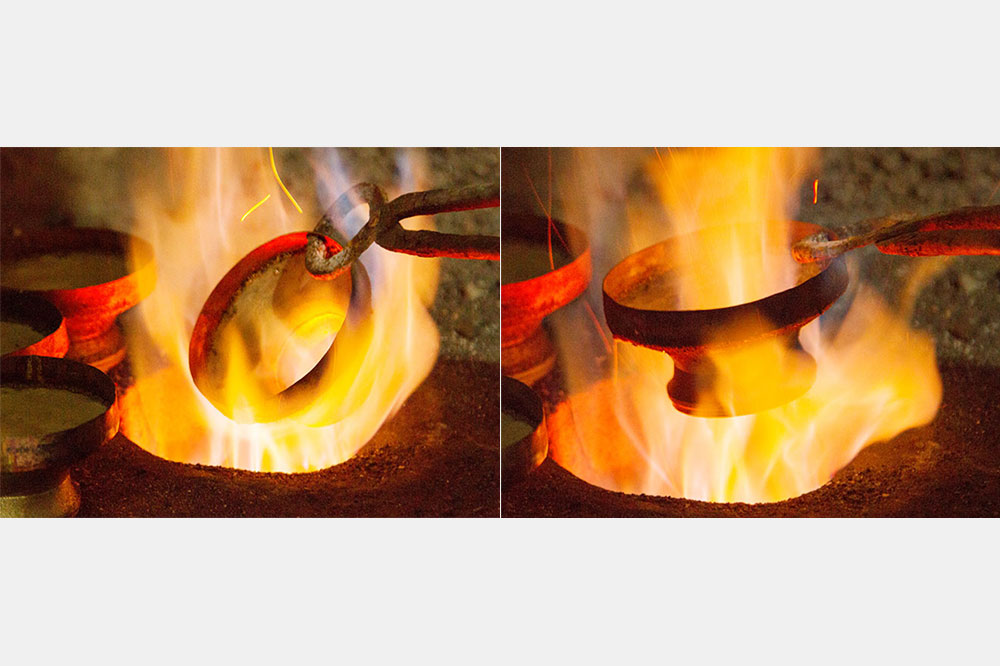
  • Scrap brass metal is filled in graphite crucible and placed in the furnace for heating.

  • Then the molten brass is poured inside the mould.

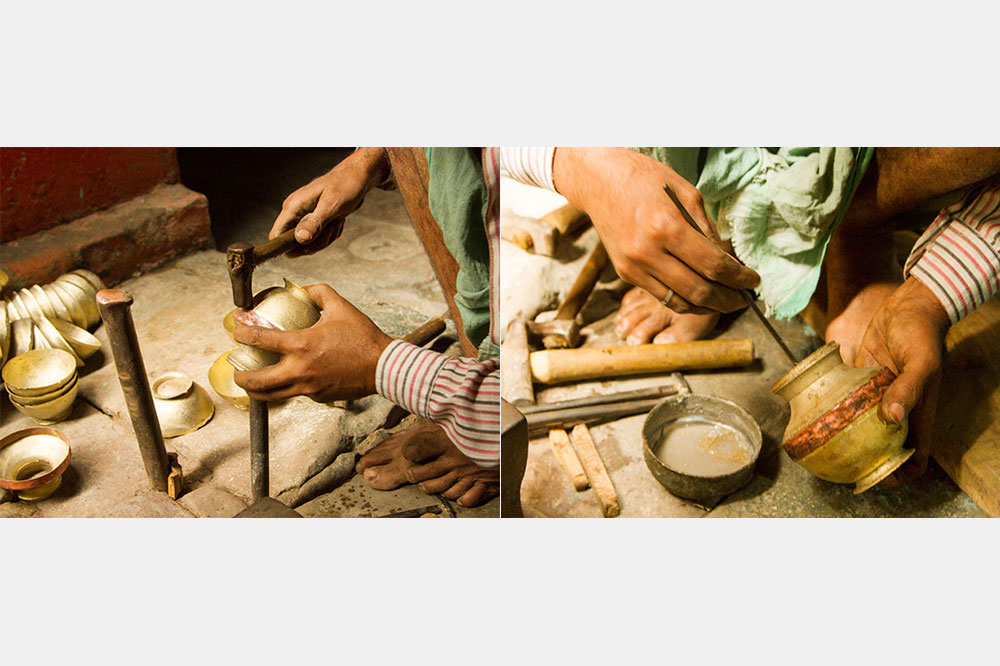
  • When the kamandalu is made in the combination of copper and brass, then the copper portion and the brass top portion of kamandalu are adjusted to each other and fixed tightly by hammering.

  • The bonding agents for copper and brass are mixed and applied inside portion of the joints.

  • Then the parts of the kamandalu that joined with the bonding agents are fired in the furnace.

  • Again the same process of joining the bottom and other portions of the kamandalu is done.

  • After firing it is allowed for cooling.

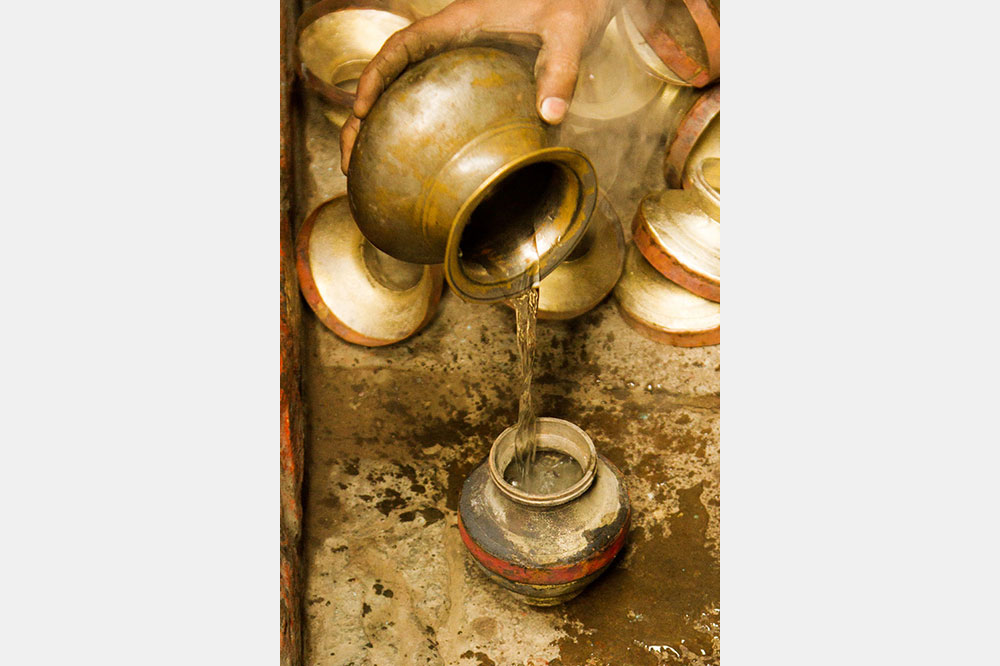
  • Water is poured on the fired kamandalu to calm down the temperature.

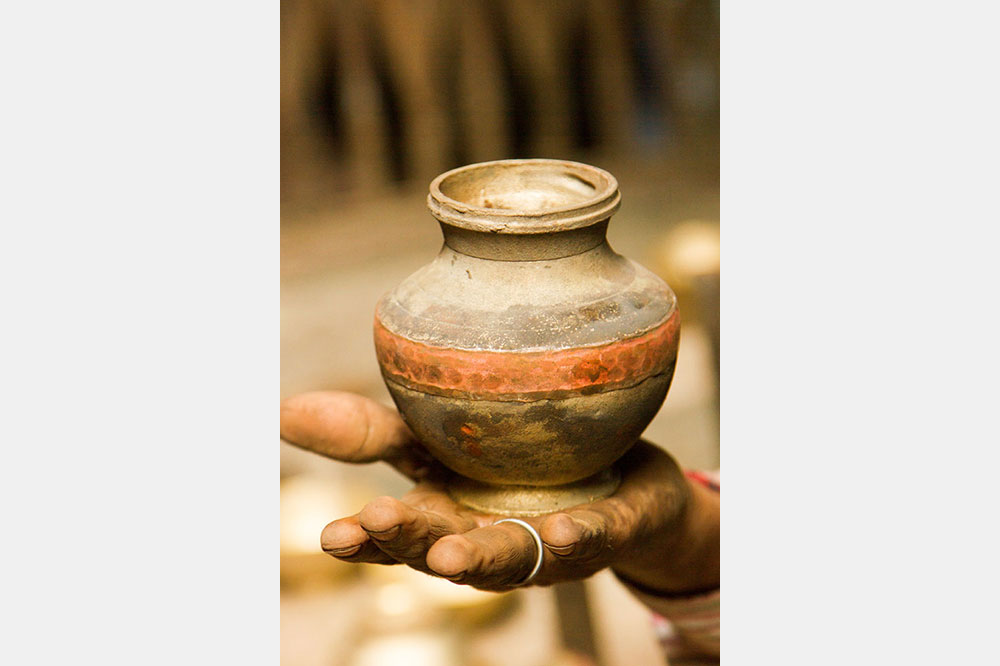
  • Outlook of the kamandalu that is fired and cooled.

  • Then the kamandalu is attached to the polishing machine.

  • Using the file tool it is polished thoroughly and buffed neatly.

  • Handle is attached and sold in market.

Scrap brass metal is filled in graphite crucible and placed in the furnace for heating.

Then the molten brass is poured inside the mould.

When the kamandalu is made in the combination of copper and brass, then the copper portion and the brass top portion of kamandalu are adjusted to each other and fixed tightly by hammering.

The bonding agents for copper and brass are mixed and applied inside portion of the joints.

Then the parts of the kamandalu that joined with the bonding agents are fired in the furnace.

Again the same process of joining the bottom and other portions of the kamandalu is done.

After firing it is allowed for cooling.

Water is poured on the fired kamandalu to calm down the temperature.

Outlook of the kamandalu that is fired and cooled.

Then the kamandalu is attached to the polishing machine.

Using the file tool it is polished thoroughly and buffed neatly.

Handle is attached and sold in market.

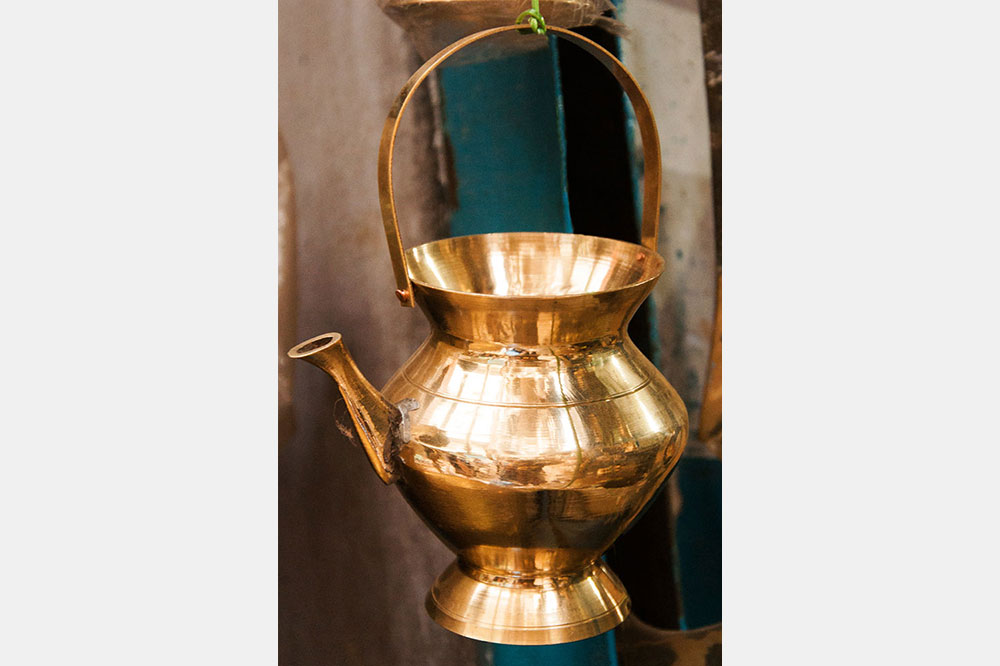
Kamandalu which is also known as Kamandala or Kamandalam is a traditional water pot used for carrying water by Hindu Naga sect sadhus, yogis and Buddhist monks. In Hindu mythology, it is represented that gods and sanyasis carry Kamandalu in their hands which holds a greater spiritual significance. The actual Kamandalu is traditionally made of ripe bottle gourd or the pumpkin or coconut shell or from the wood of Kamanadalataru tree (bottle gourd tree).

Nowadays Kamandalu is made of brass, copper, silver and also with clay sometimes. Aesthetically speaking it is a beautiful combination of brass and copper. As the copper represents river Jamuna and brass represents river Ganga, this type of Kamandalu is called as Ganga Jamuna Kamandalu. It is a round shaped pitcher with a wide-open neck that has a semicircular handle attached to the mouth of the Kamandalu to facilitate the grip when carried and a snout - through which the water can be poured in a controlled way.

For more details:
http://www.dsource.in/resource/traditional-utensils-varanasi

Scrap brass metal is filled in graphite crucible and placed in the furnace for heating.

Then the molten brass is poured inside the mould.

When the kamandalu is made in the combination of copper and brass, then the copper portion and the brass top portion of kamandalu are adjusted to each other and fixed tightly by hammering.

The bonding agents for copper and brass are mixed and applied inside portion of the joints.

Then the parts of the kamandalu that joined with the bonding agents are fired in the furnace.

Again the same process of joining the bottom and other portions of the kamandalu is done.

After firing it is allowed for cooling.

Water is poured on the fired kamandalu to calm down the temperature.

Outlook of the kamandalu that is fired and cooled.

Then the kamandalu is attached to the polishing machine.

Using the file tool it is polished thoroughly and buffed neatly.

Handle is attached and sold in market.


Creating Digital-learning Environment for Design


  • Courses
  • Resources
  • Case study
  • Showcase
  • Tools
  • Gallery
  • Videos
  • Animation Design
  • Communication Design
  • Design Fundamentals
  • Interaction Design
  • Product Design
  • Tools for Design
  • Open Design
  • Contribute to our Dsource
  • About
  • People
  • Events
  • Job@D'source
  • Contact Us
  • Privacy Policy
  • Download App
  • YouTube
  • Facebook
  • Twitter

Indian Language
English Bangali Gujarati Hindi
Kannada Malayalam Marathi Punjabi
Sindhi Tamil Telugu Urdu