Jump to navigation

  •  
  •  
  •  

  • Courses
  • Resources
  • Case study
  • Showcase
  • Tools
  • Gallery
  • Videos

Search form

Search

    unblocked games retro bowl
  • yohoho
  • unblocked games

unblocked games-

unblocked games-

unblocked games-

unblocked games-

unblocked games-

unblocked games-

unblocked games-

unblocked games-

unblocked games-

unblocked games-

unblocked games-

unblocked games-

unblocked games-

unblocked games-

unblocked games-

unblocked games-

unblocked games-

unblocked games-

unblocked games-

unblocked games-

unblocked games-

unblocked games-

unblocked games-

unblocked games-

unblocked games-

unblocked games-

unblocked games-

unblocked games-

unblocked games-

unblocked games-

unblocked games-

unblocked games-

unblocked games-

unblocked games-

unblocked games-

unblocked games-

unblocked games-

unblocked games-

unblocked games-

unblocked games-

unblocked games-

unblocked games-

unblocked games-

unblocked games-

unblocked games-

unblocked games-

unblocked games-

unblocked games-

unblocked games-

unblocked games-

Animation Design Communication Design Design Fundamentals Interaction Design Product Design Tools for Design Open Design
Home / Gallery / Tabala Making - Varanasi
Design Gallery

Tabala Making - Varanasi

The most famous rhythm instrument
by
Prof. Bibhudutta Baraland Manasa K. H.
NID, Bengaluru
  • Printer-friendly version
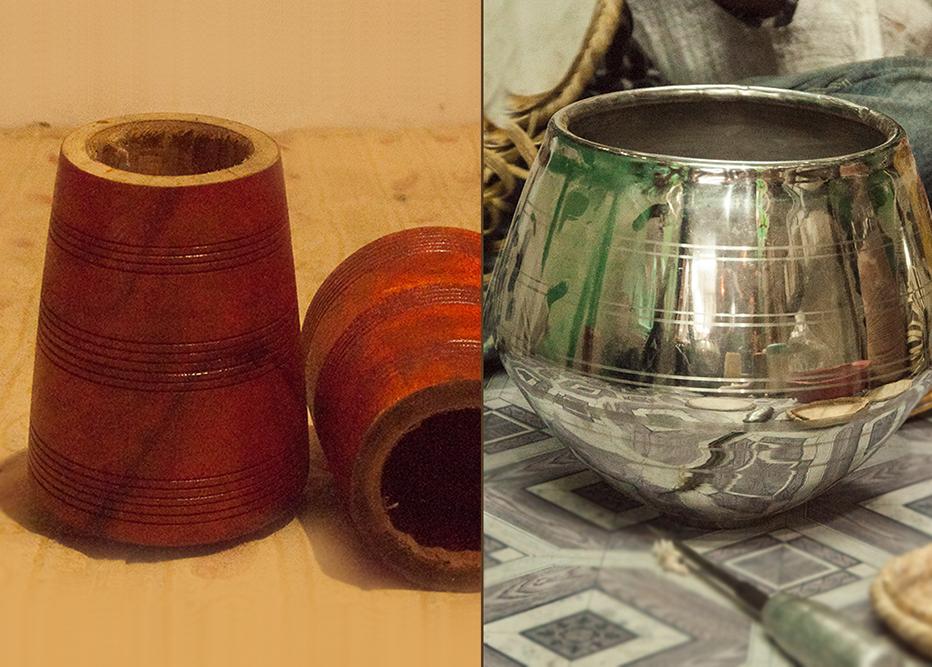
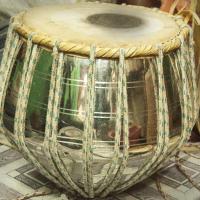
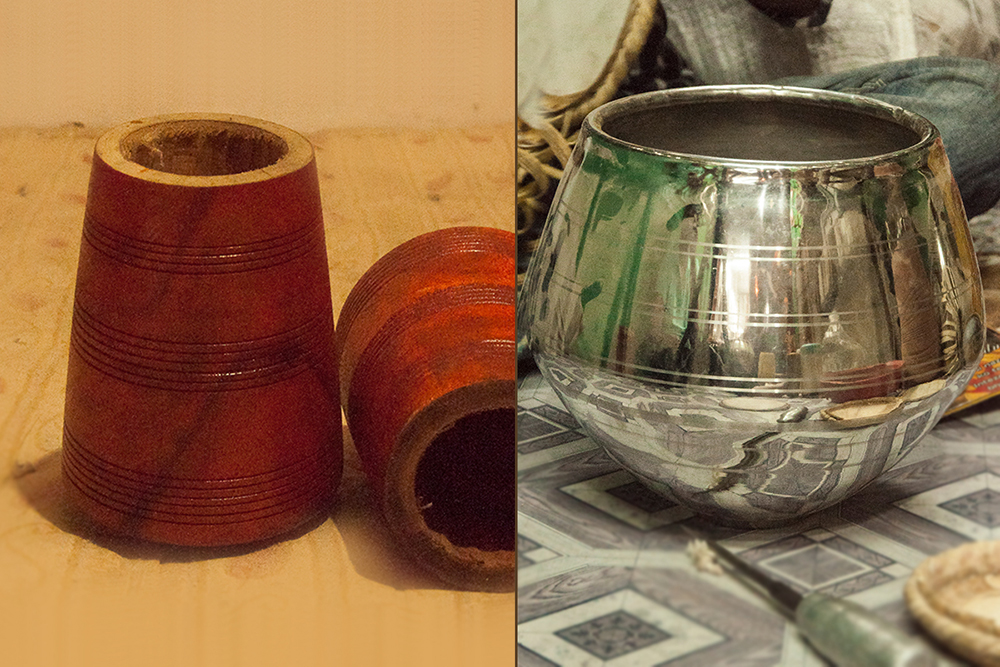
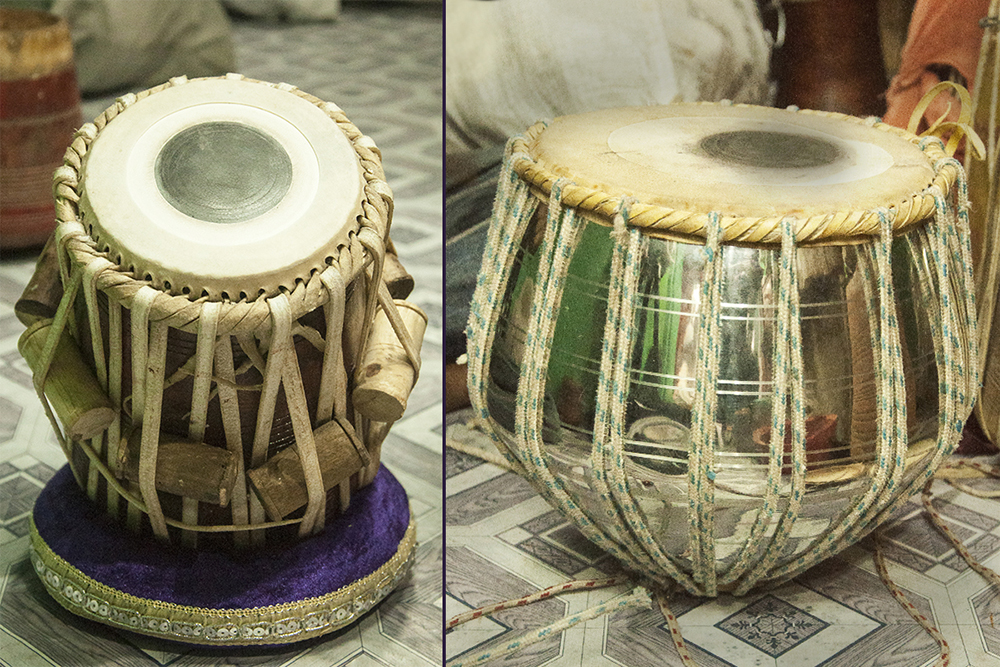
  • Carved Drums of Tabala on the left and metal drum - part of Bayan.

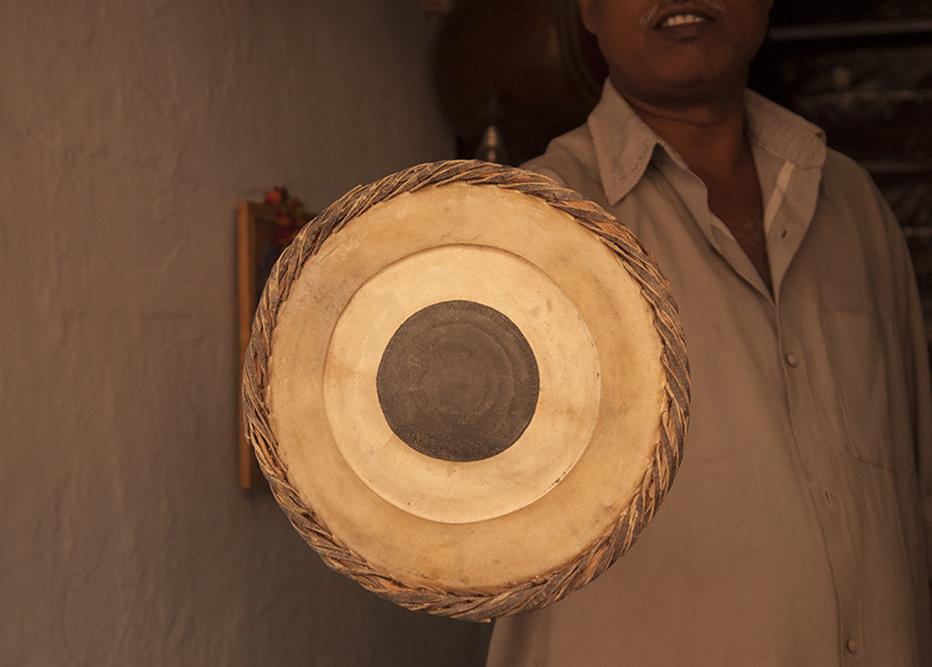
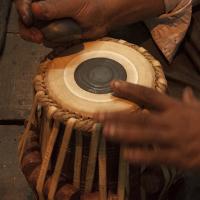
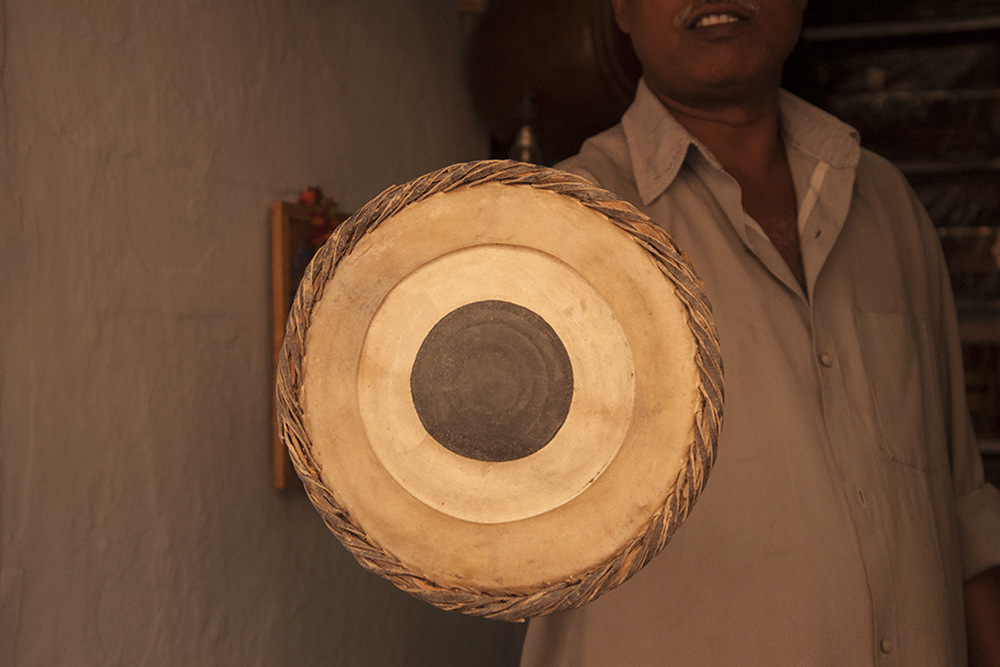
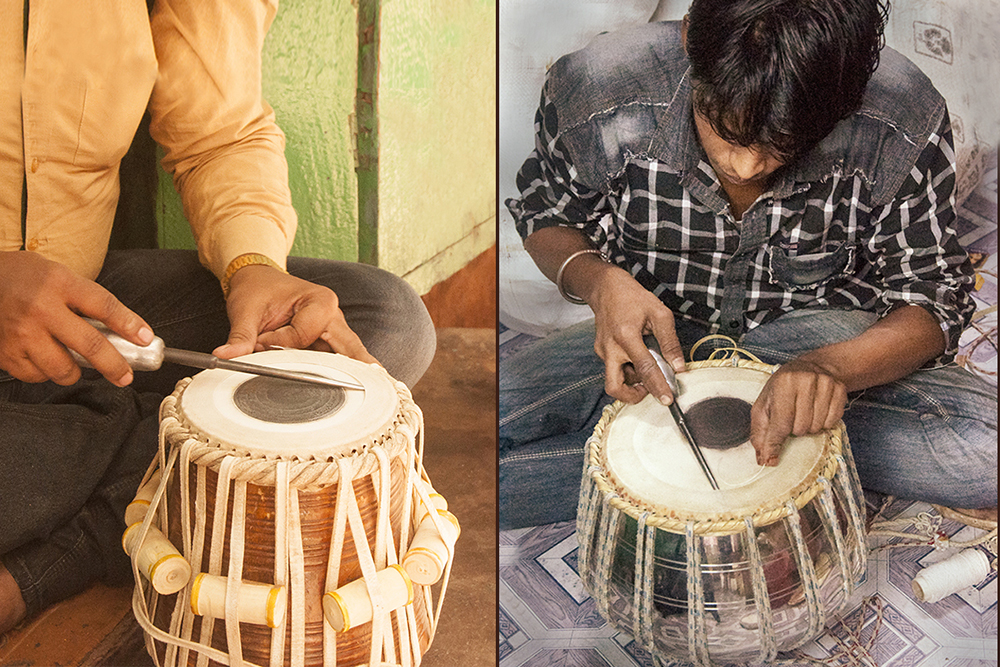
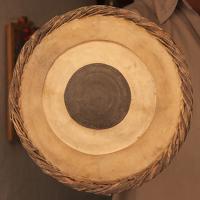
  • The drum head comprising of Shaihi, Maidan, Chanti and Gajara.

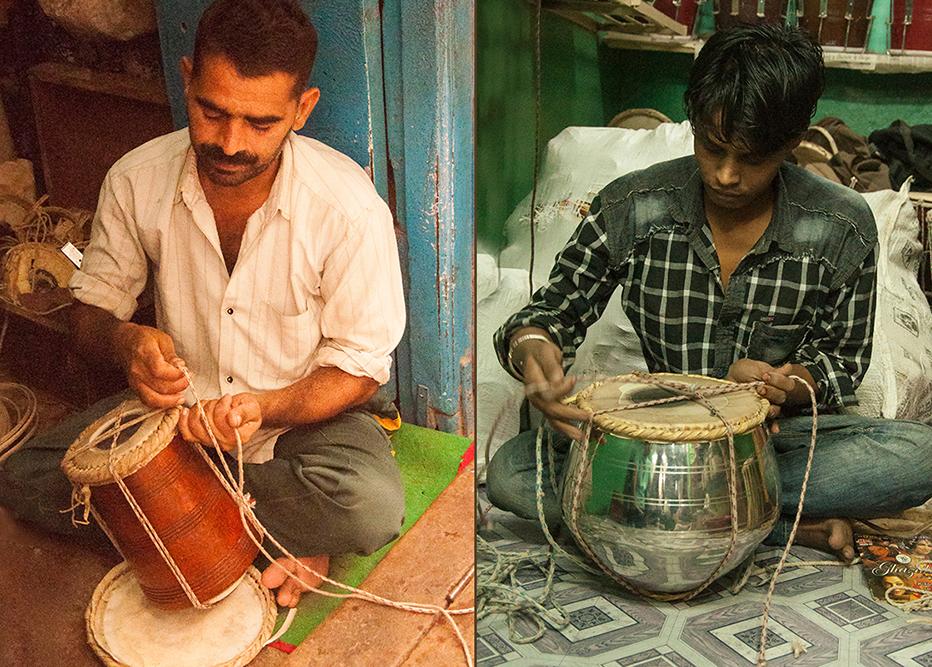
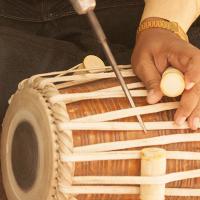
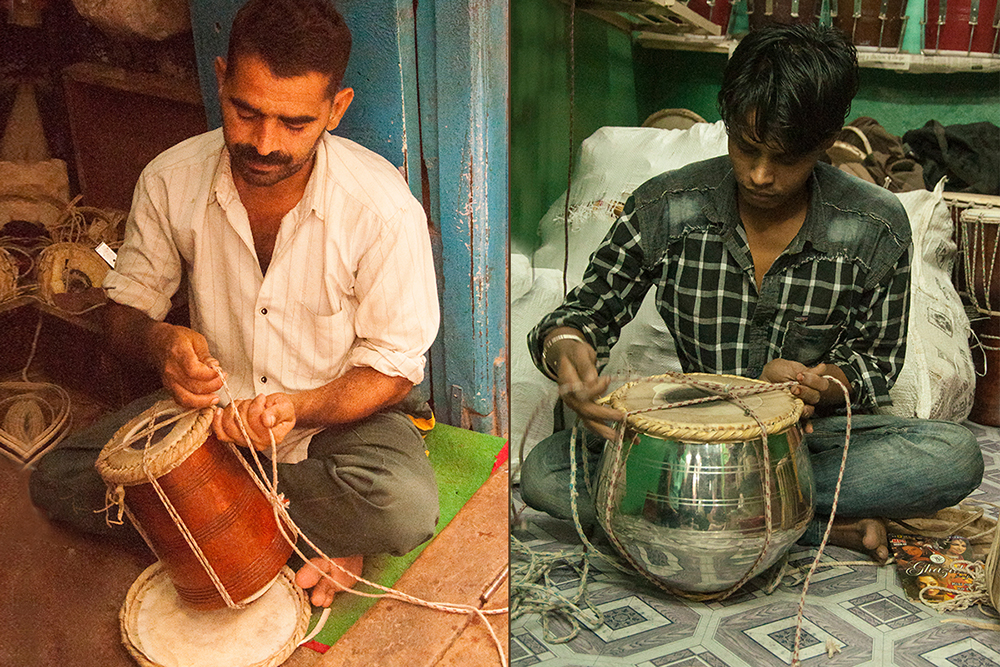
  • Rope is being tied to fix the drum head and the base.

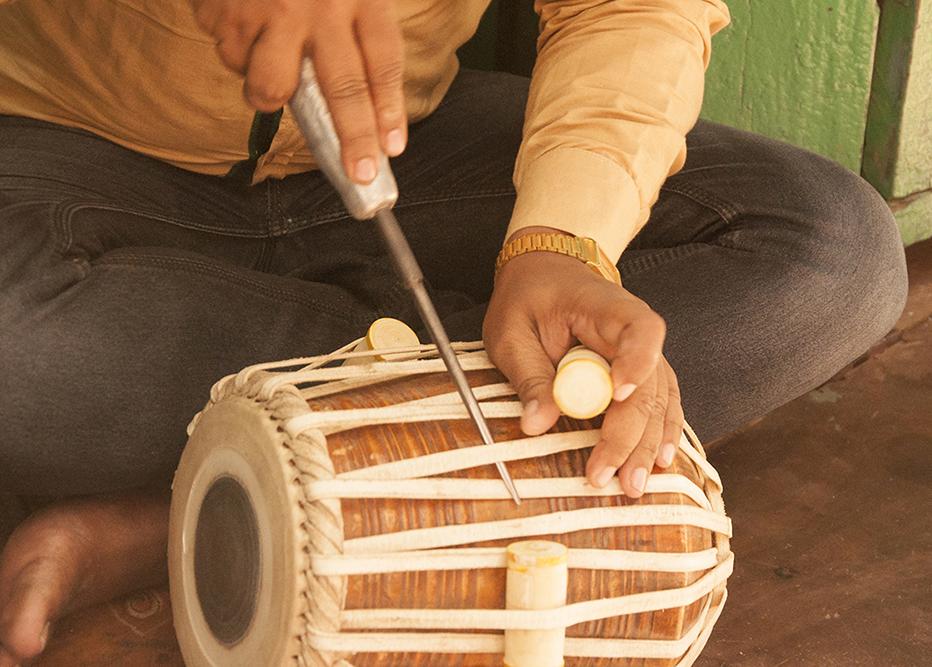
  • Thread is inserted in the Chanti (periphery) to fine tune.

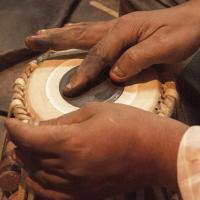
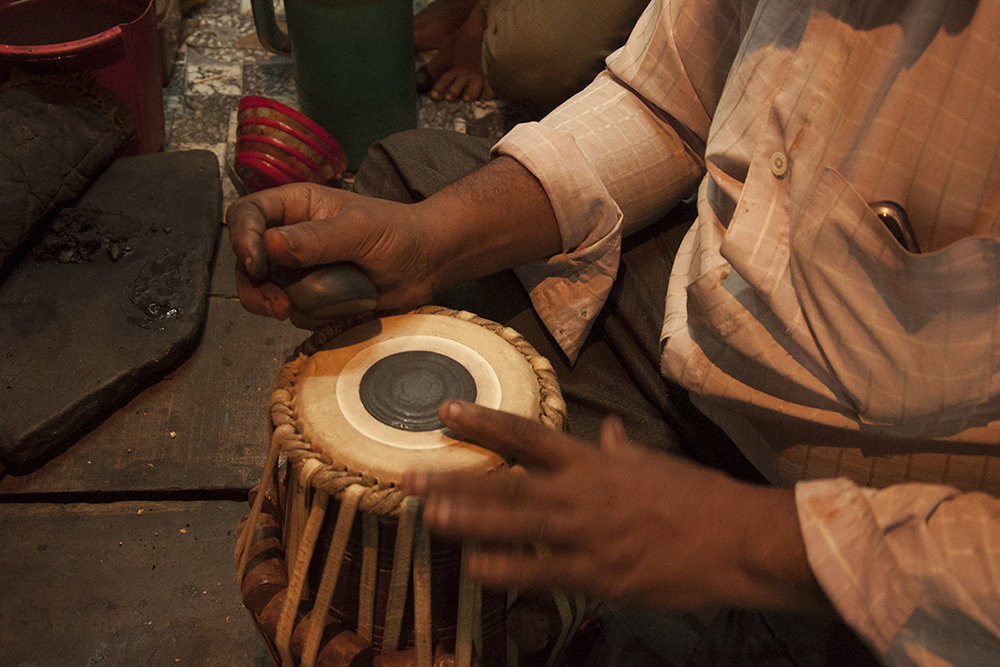
  • Masala (Syahi) tuning paste is spread off centre for higher pitch.

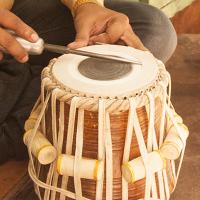
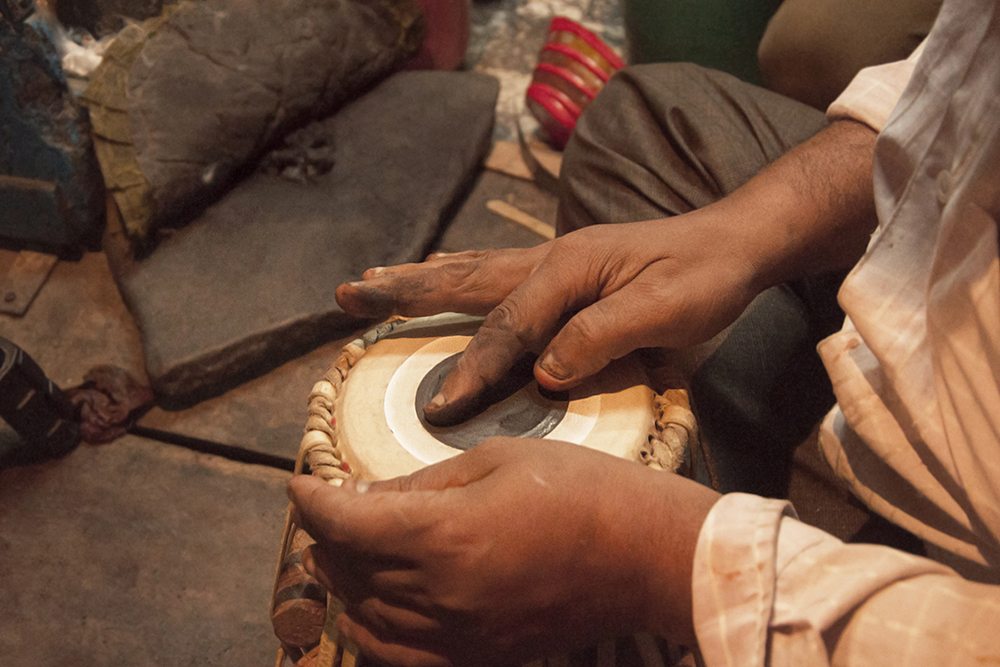
  • Syahi is rubbed with the stone to spread it evenly and help fine tune.

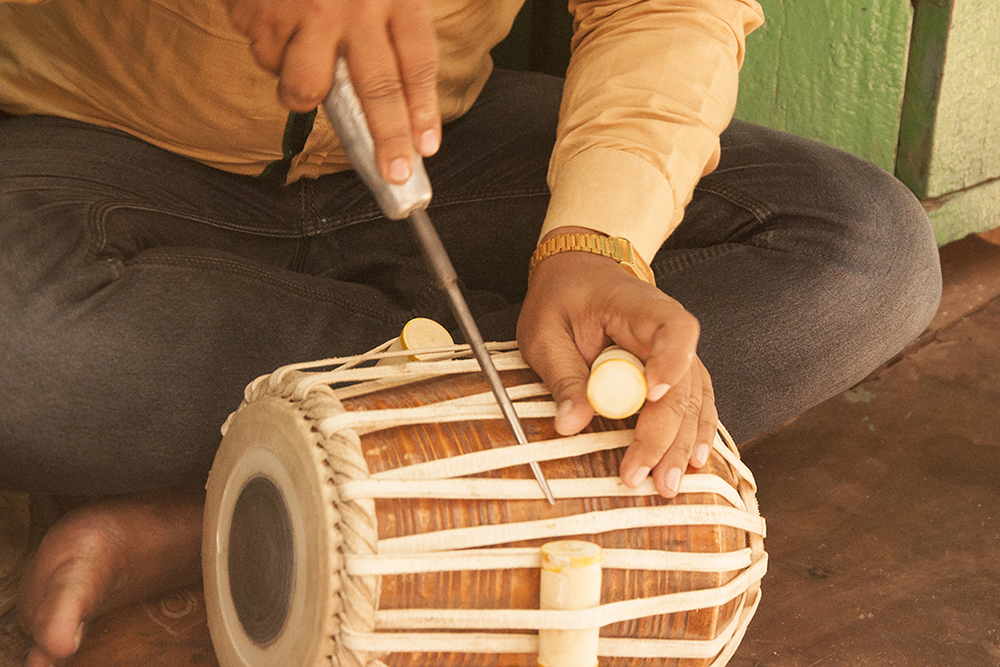
  • Gatta is being added to the Tabala.

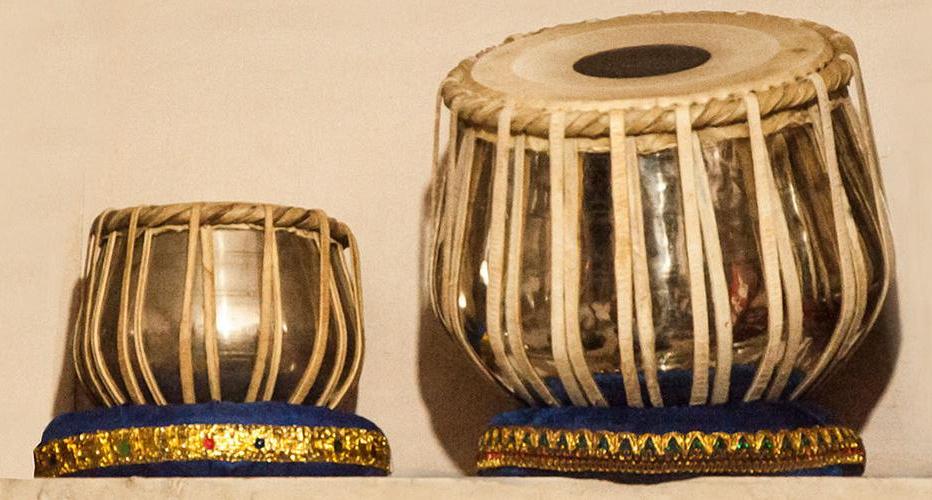
  • Completed Tabala on the left and Bayan on the right.

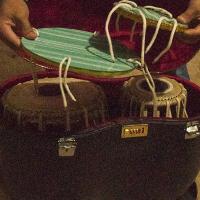
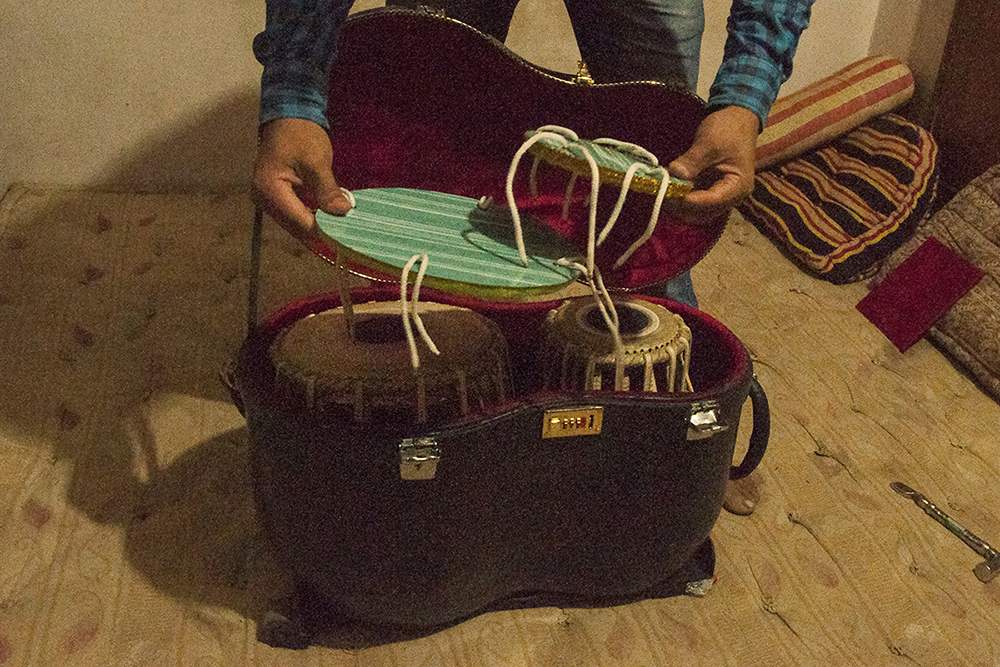
  • A set of Tabala and Bayan kept in case and covered with soft covers.

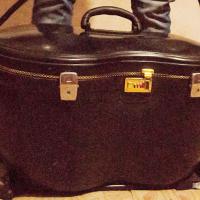
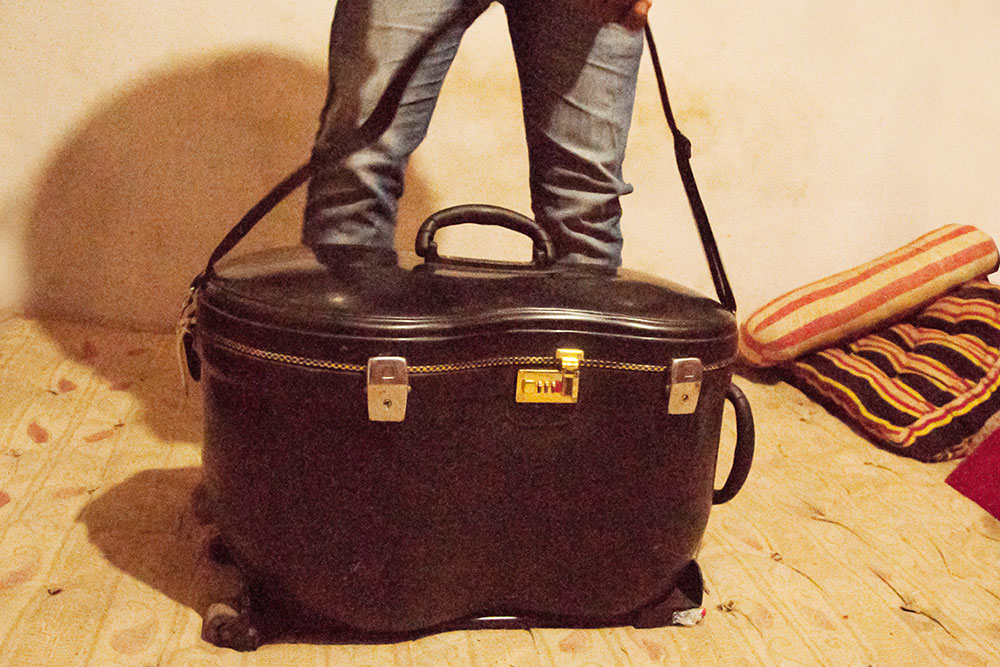
  • Case that helps to carry Tabala and Bayan.

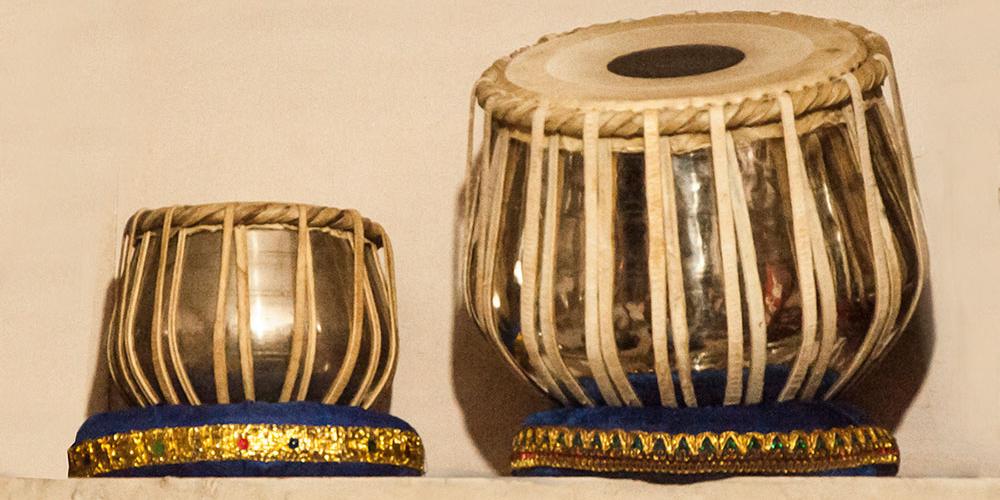
  • A set of Tabala and Bayan.

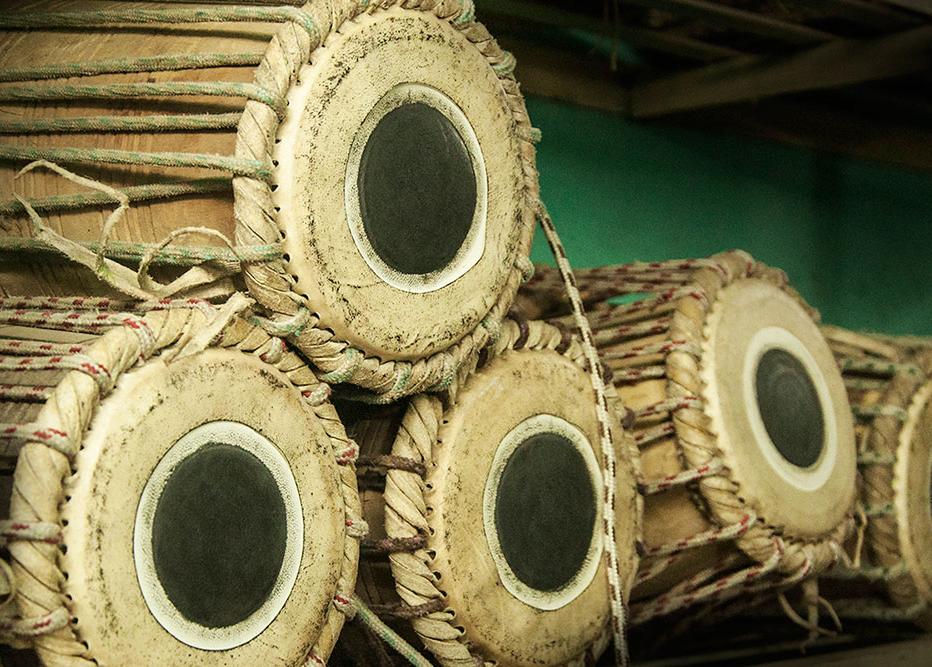
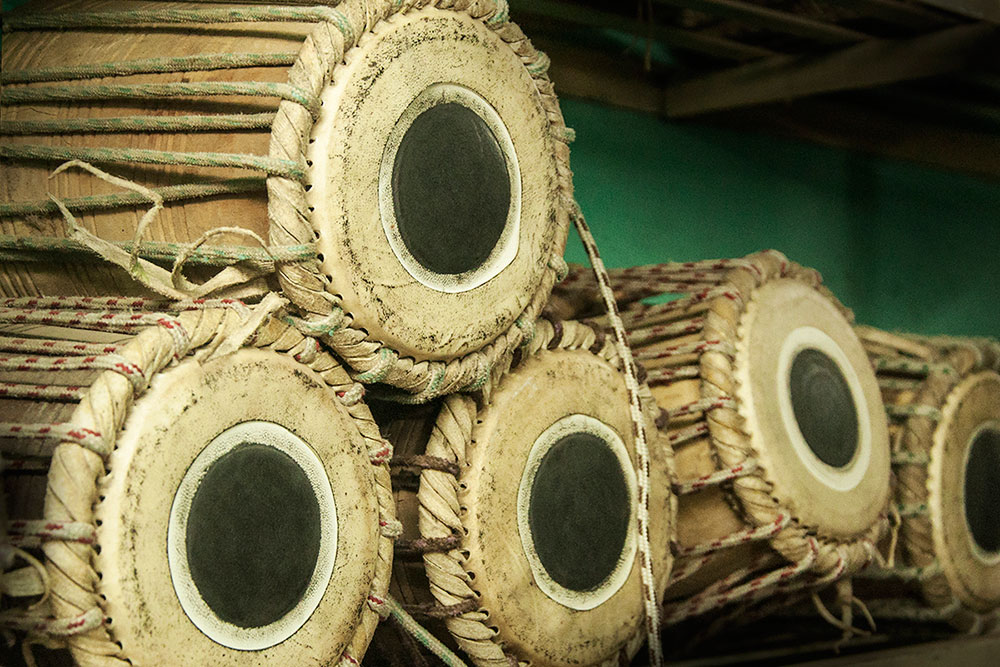
  • A set of Tabala arranged one on another.
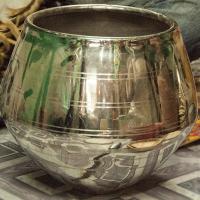
Carved Drums of Tabala on the left and metal drum - part of Bayan.

The drum head comprising of Shaihi, Maidan, Chanti and Gajara.

Rope is being tied to fix the drum head and the base.

Thread is inserted in the Chanti (periphery) to fine tune.

Masala (Syahi) tuning paste is spread off centre for higher pitch.

Syahi is rubbed with the stone to spread it evenly and help fine tune.

Gatta is being added to the Tabala.

Completed Tabala on the left and Bayan on the right.

A set of Tabala and Bayan kept in case and covered with soft covers.

Case that helps to carry Tabala and Bayan.

A set of Tabala and Bayan.

A set of Tabala arranged one on another.
The Tabala, a prominent percussion instrument in the Indian subcontinent, has a rich history that dates back to the 13th century, with some attributing its invention to the legendary musician Amir Khusro. Comprising two drums - a smaller, higher-pitched drum called the Dayan, and a larger, lower-pitched drum known as the Bayan - the Tabala is often regarded as the "queen of drums." It is integral to various musical genres across India, Nepal, Pakistan, Bangladesh, Afghanistan, and Sri Lanka.

Craftsman Babu, who has been making Tabala since the age of eight, continues the family tradition passed down from his grandfather, Nehmath Ullah. This artisanal craft not only preserves cultural heritage but also highlights the importance of family legacies in the world of music.

For more details:
https://www.dsource.in/resource/tabla-making-varanasi

Carved Drums of Tabala on the left and metal drum - part of Bayan.

The drum head comprising of Shaihi, Maidan, Chanti and Gajara.

Rope is being tied to fix the drum head and the base.

Thread is inserted in the Chanti (periphery) to fine tune.

Masala (Syahi) tuning paste is spread off centre for higher pitch.

Syahi is rubbed with the stone to spread it evenly and help fine tune.

Gatta is being added to the Tabala.

Completed Tabala on the left and Bayan on the right.

A set of Tabala and Bayan kept in case and covered with soft covers.

Case that helps to carry Tabala and Bayan.

A set of Tabala and Bayan.

A set of Tabala arranged one on another.


Creating Digital-learning Environment for Design


  • Courses
  • Resources
  • Case study
  • Showcase
  • Tools
  • Gallery
  • Videos
  • Animation Design
  • Communication Design
  • Design Fundamentals
  • Interaction Design
  • Product Design
  • Tools for Design
  • Open Design
  • Contribute to our Dsource
  • About
  • People
  • Events
  • Job@D'source
  • Contact Us
  • Privacy Policy
  • Download App
  • YouTube
  • Facebook
  • Twitter

Indian Language
English Bangali Gujarati Hindi
Kannada Malayalam Marathi Punjabi
Sindhi Tamil Telugu Urdu