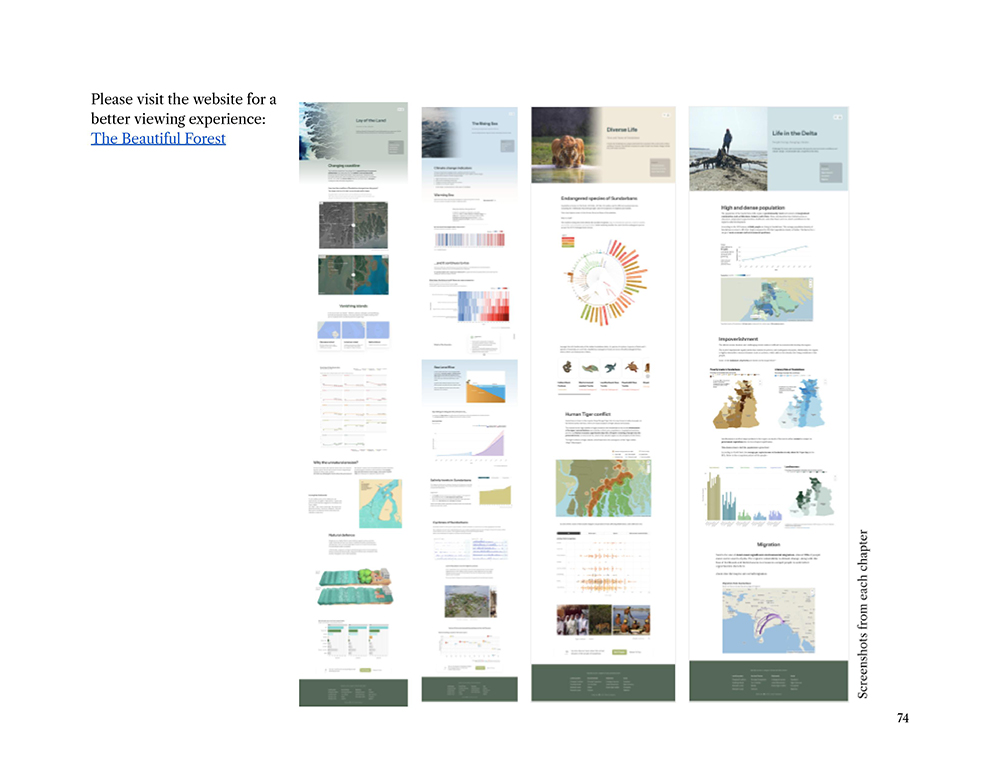
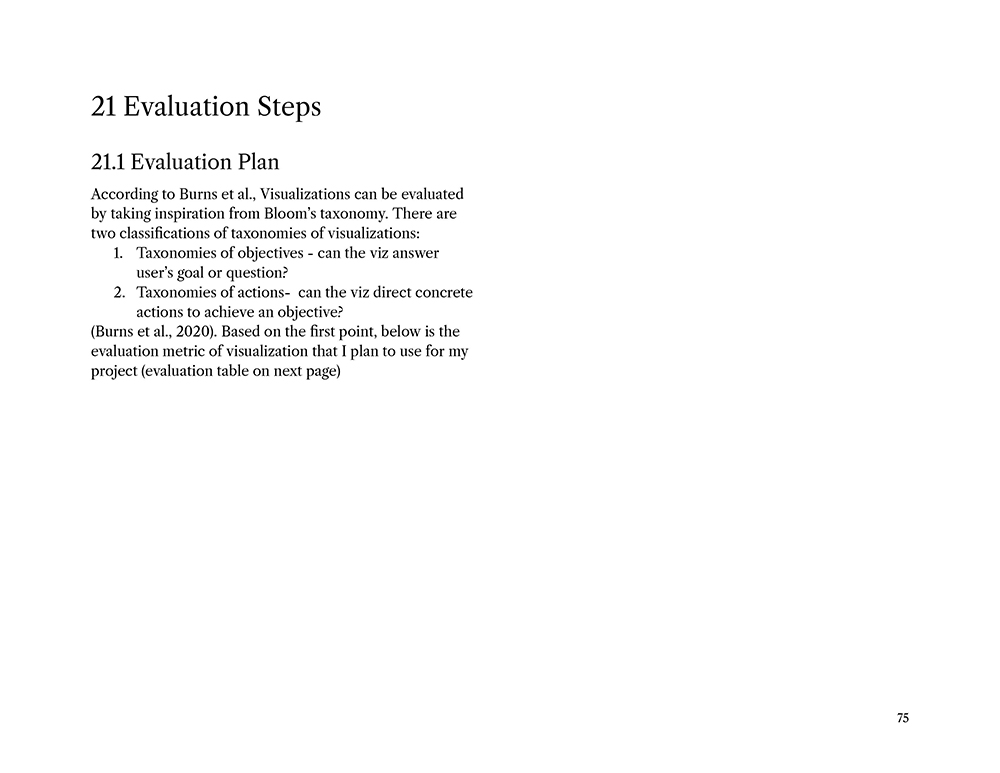
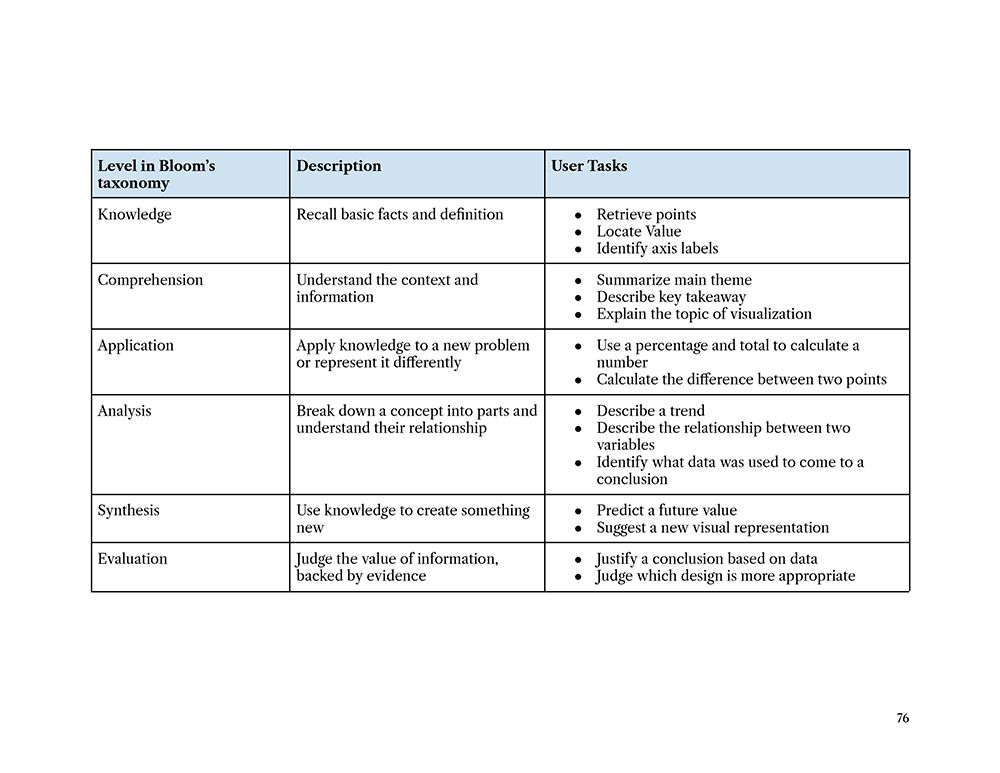
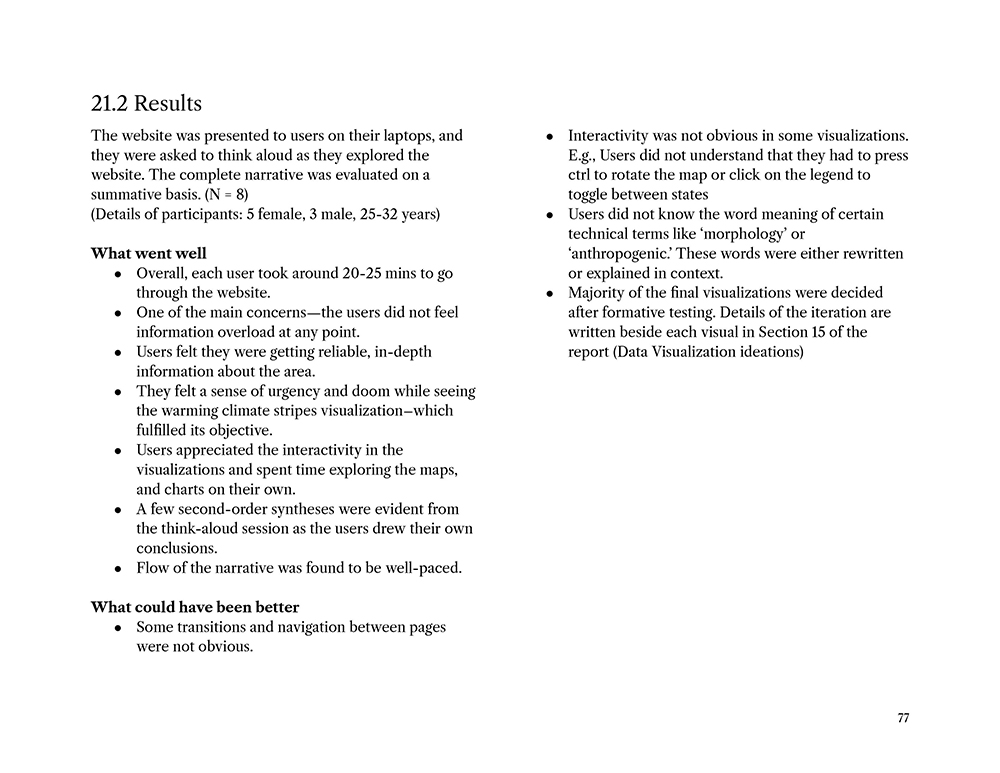
Design Case study
Visualizing Ecological Change in the Indian Sundarbans
Raising awareness of the Sundarbans' ecology and climate change impacts
by

Case Study - Slide Show

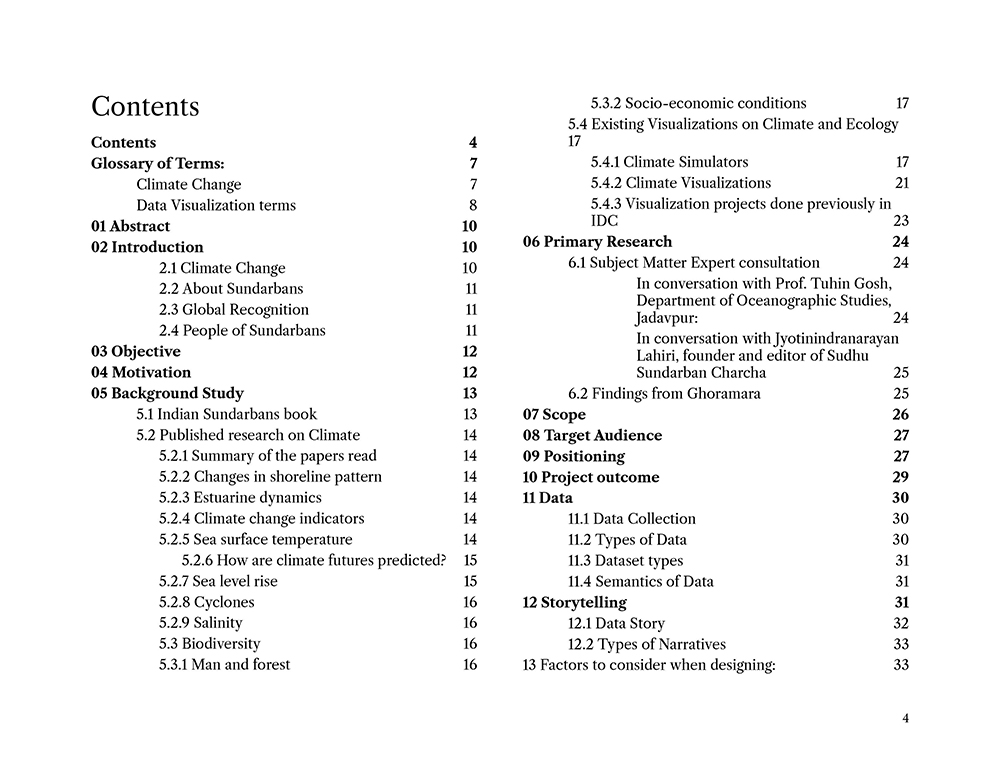
Design process that was followed in this project:
• Glossary of Terms
- Climate Change
- Data Visualization terms
• Introduction
- Climate Change
- About Sundarbans
- Global Recognition
- People of Sundarbans
• Objective
• Motivation
• Background Study
- Indian Sundarbans book
- Published research on Climate
- Summary of the papers read
- Changes in shoreline pattern
- Estuarine dynamics
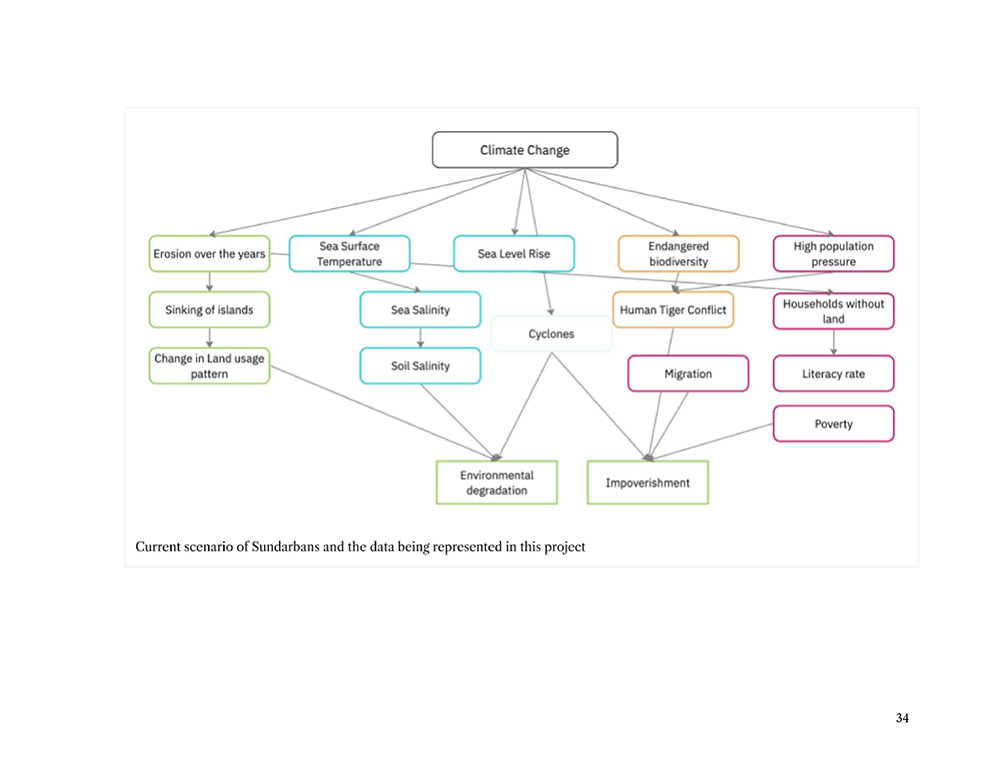
- Climate change indicators
- Sea surface temperature
- How are climate futures predicted?
- Sea level rise
- Cyclones
- Salinity
- Biodiversity
- Man and forest
- Socio-economic conditions
- Existing Visualizations on Climate and Ecology
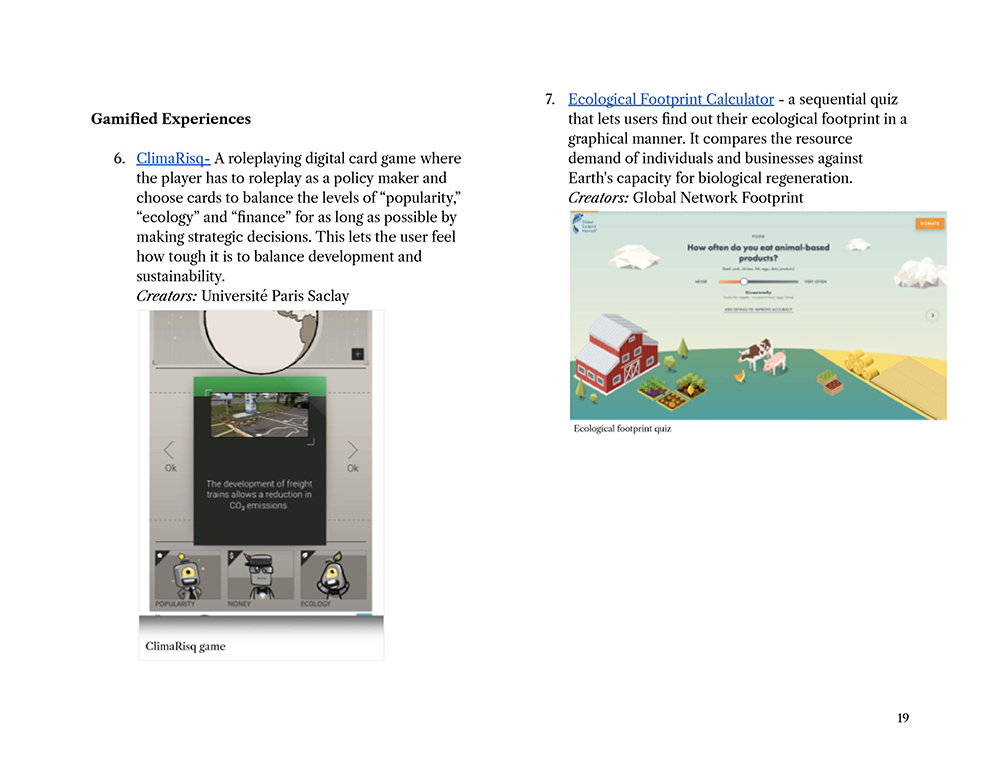
- Climate Simulators
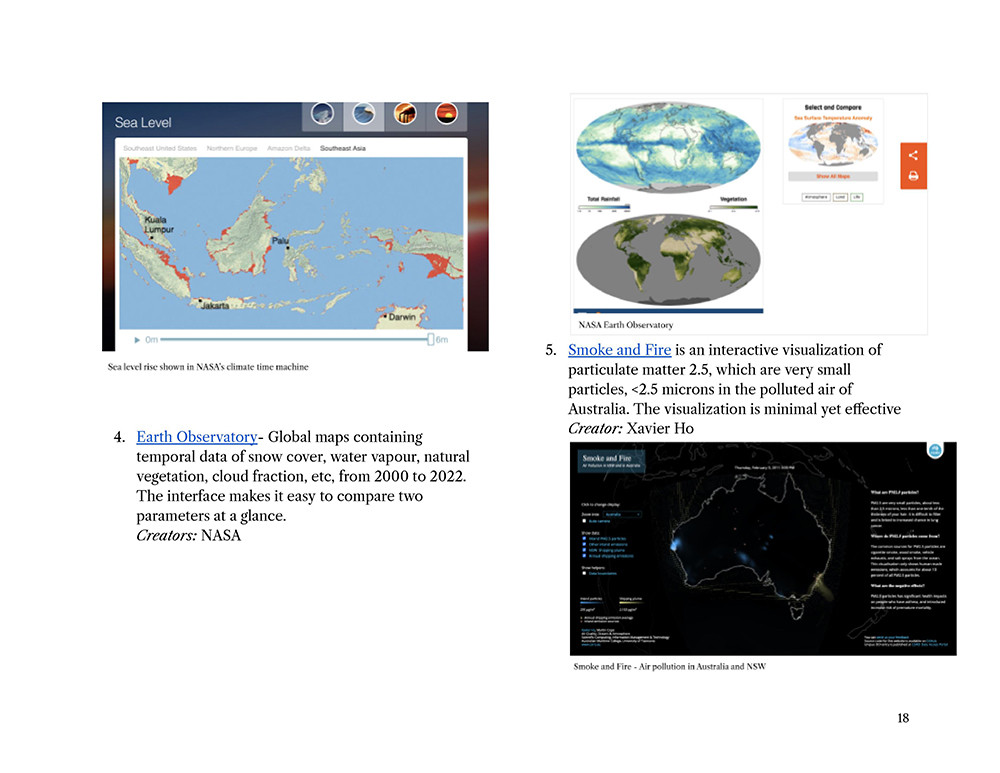
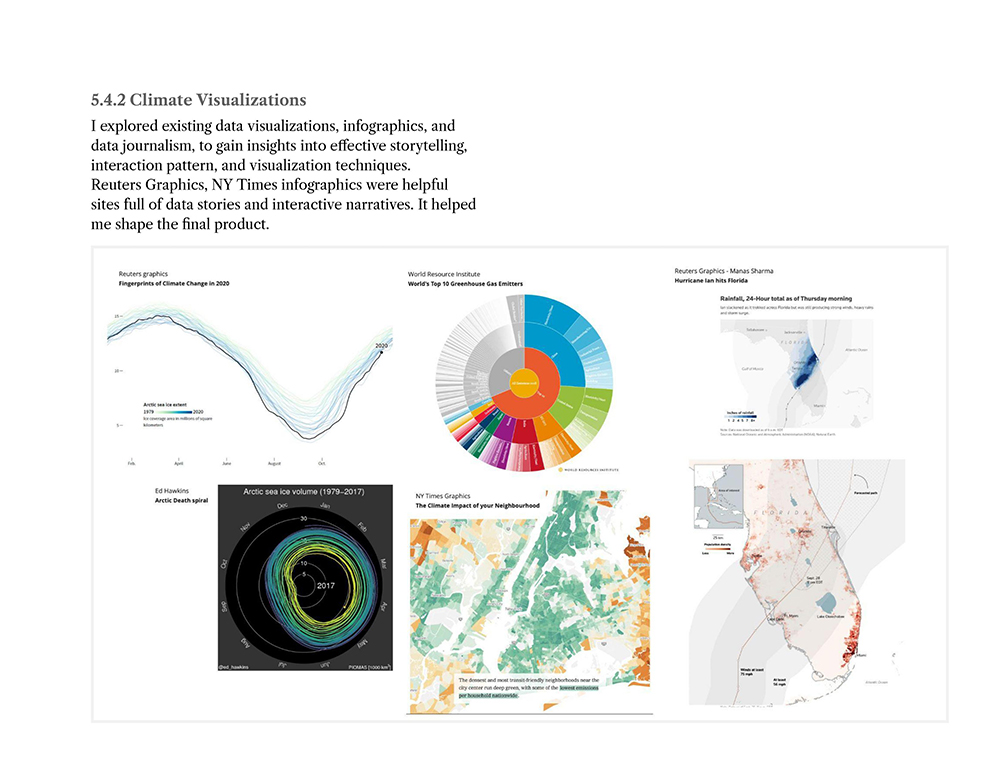
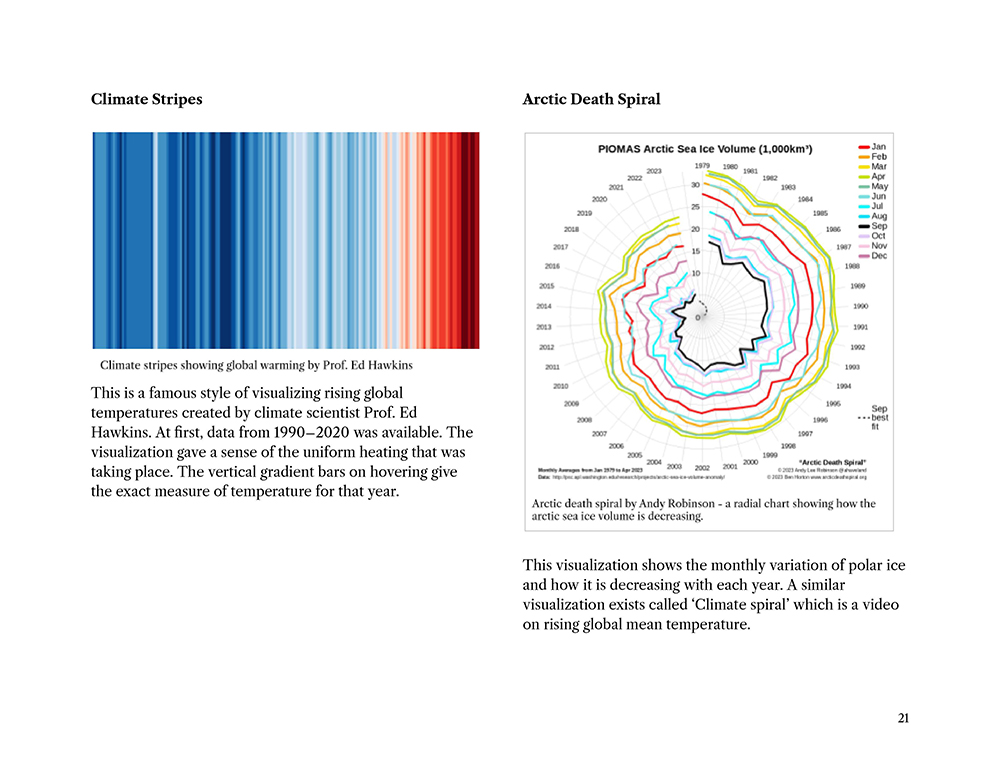
- Climate Visualizations
- Visualization projects done previously in IDC
• Primary Research
- Subject Matter Expert consultation
- In conversation with Prof. Tuhin Gosh, Department of Oceanographic Studies, Jadavpur:
- In conversation with Jyotinindranarayan Lahiri, founder and editor of Sudhu Sundarban
Charcha
- Findings from Ghoramara
• Scope
• Target Audience
• Positioning
• Project outcome
• Data
- Data Collection
- Types of Data
- Dataset types
- Semantics of Data
• Storytelling
- Data Story
- Types of Narratives
• Factors to consider when designing:
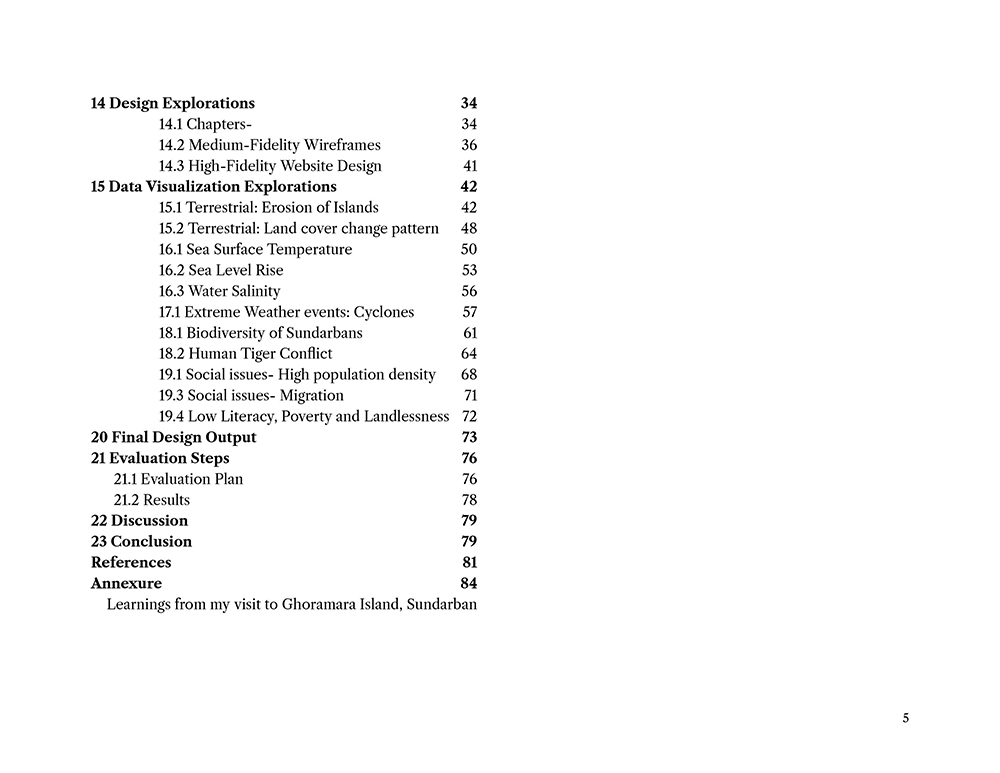
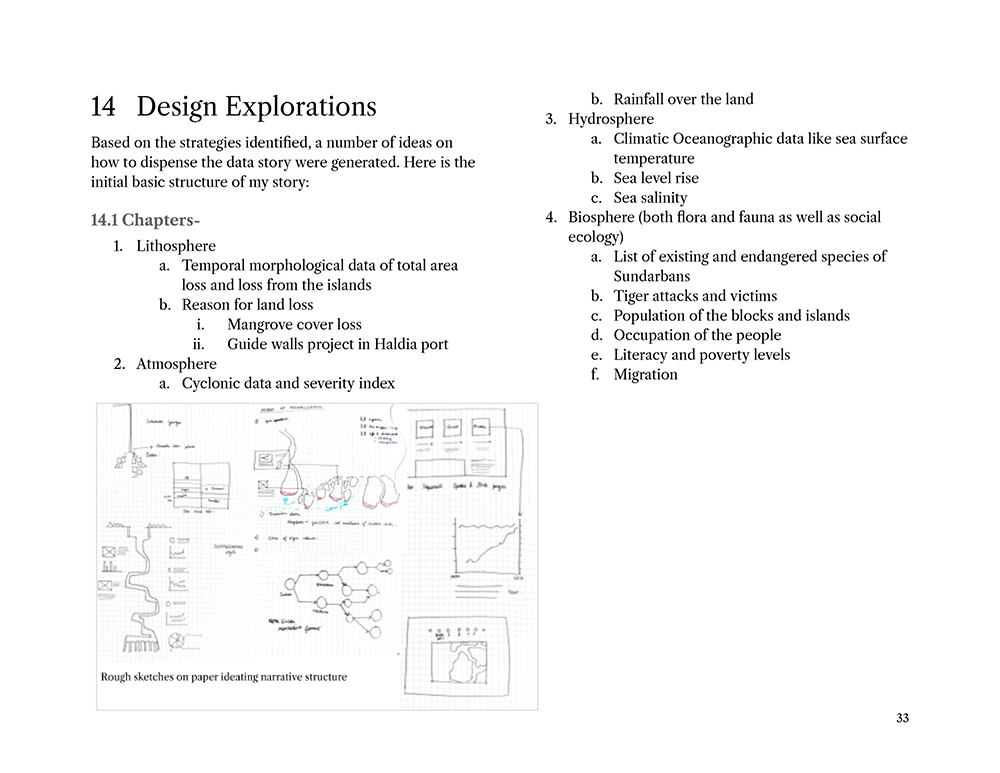
• Design Explorations
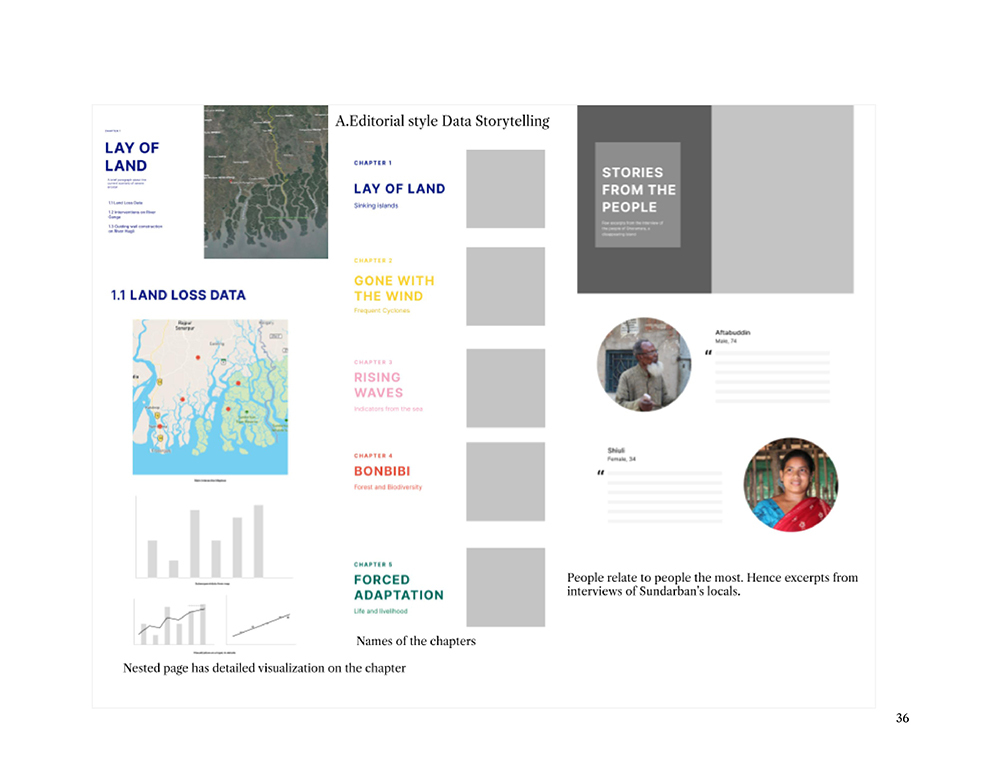
- Chapters- 34
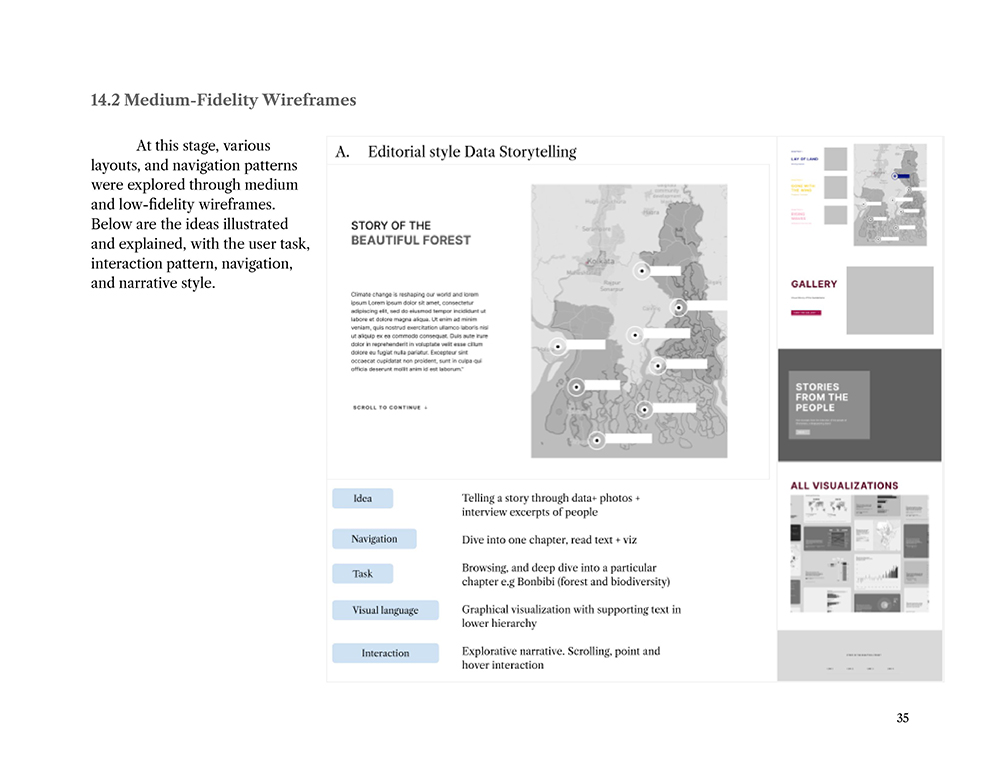
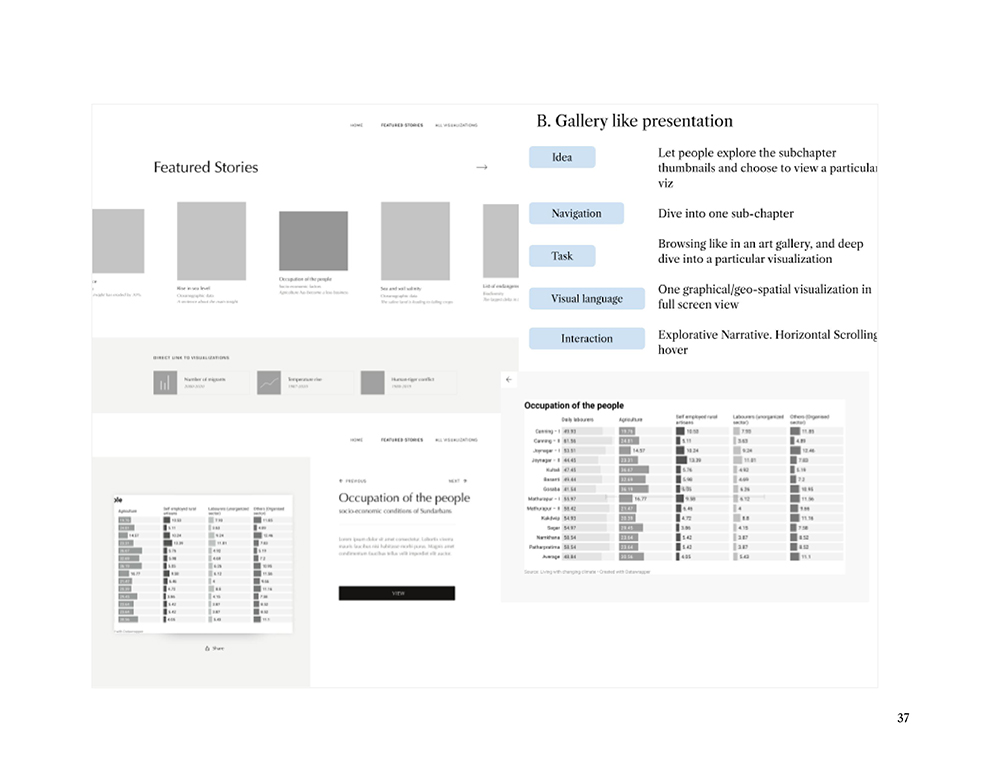
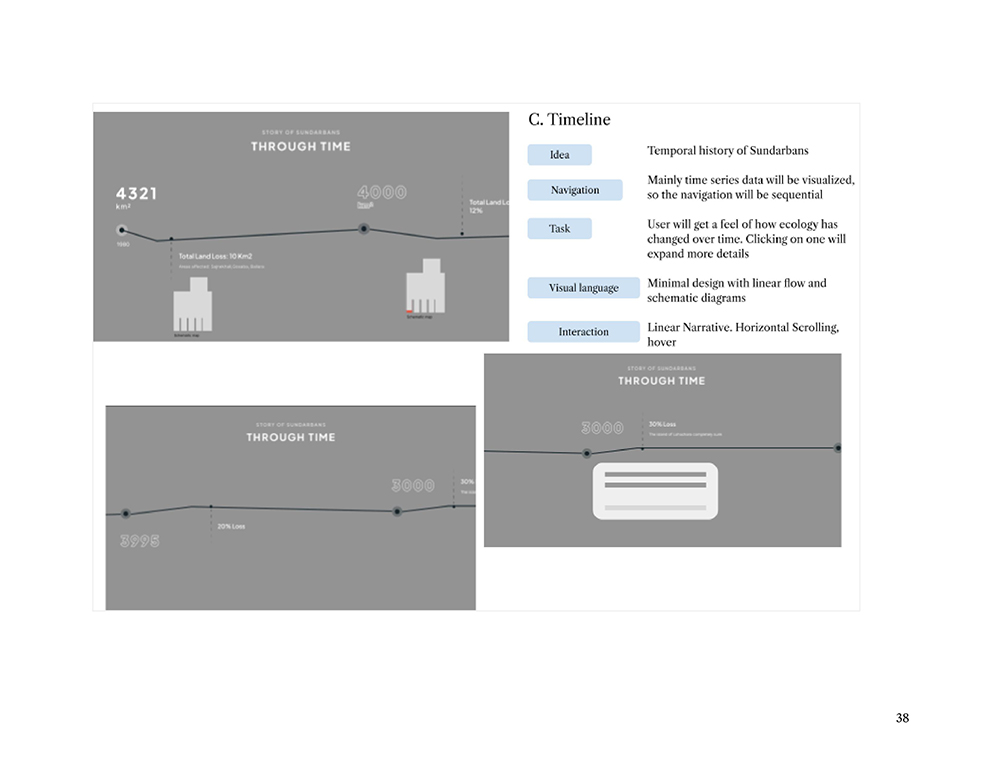
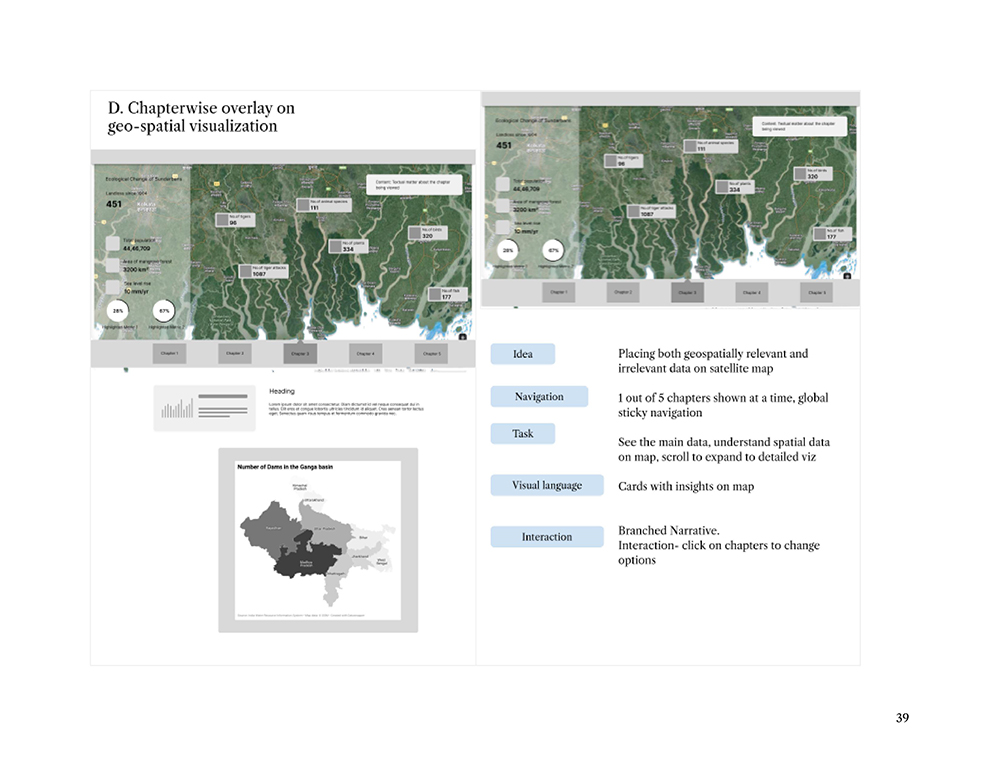
- Medium-Fidelity Wireframes
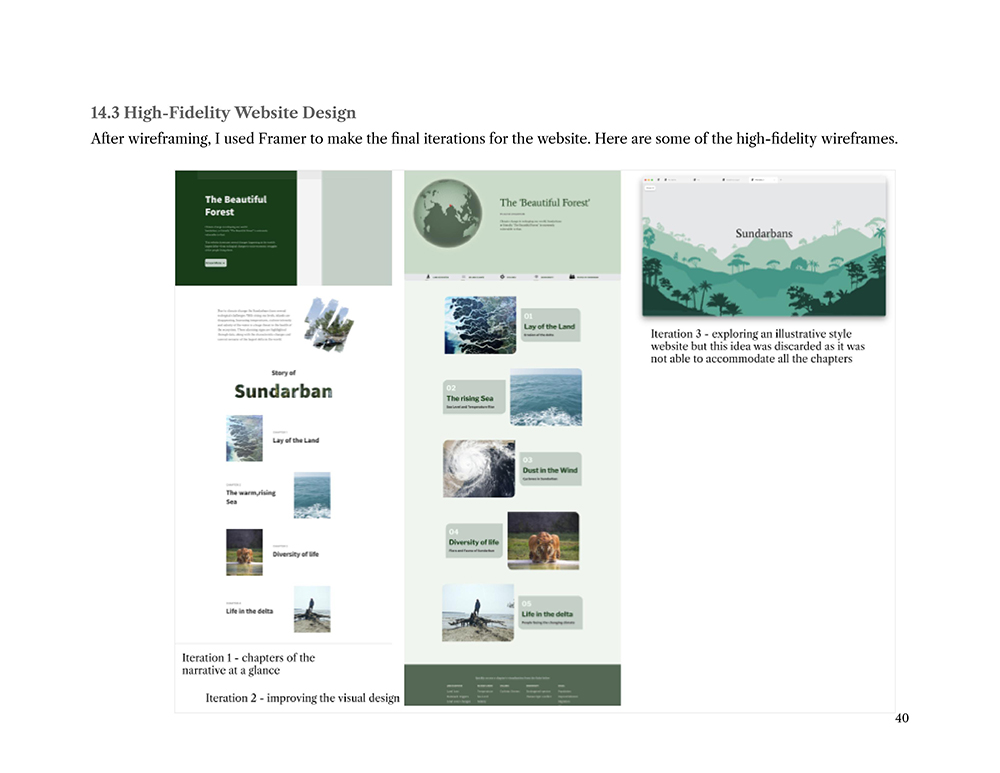
- High-Fidelity Website Design
• Data Visualization Explorations
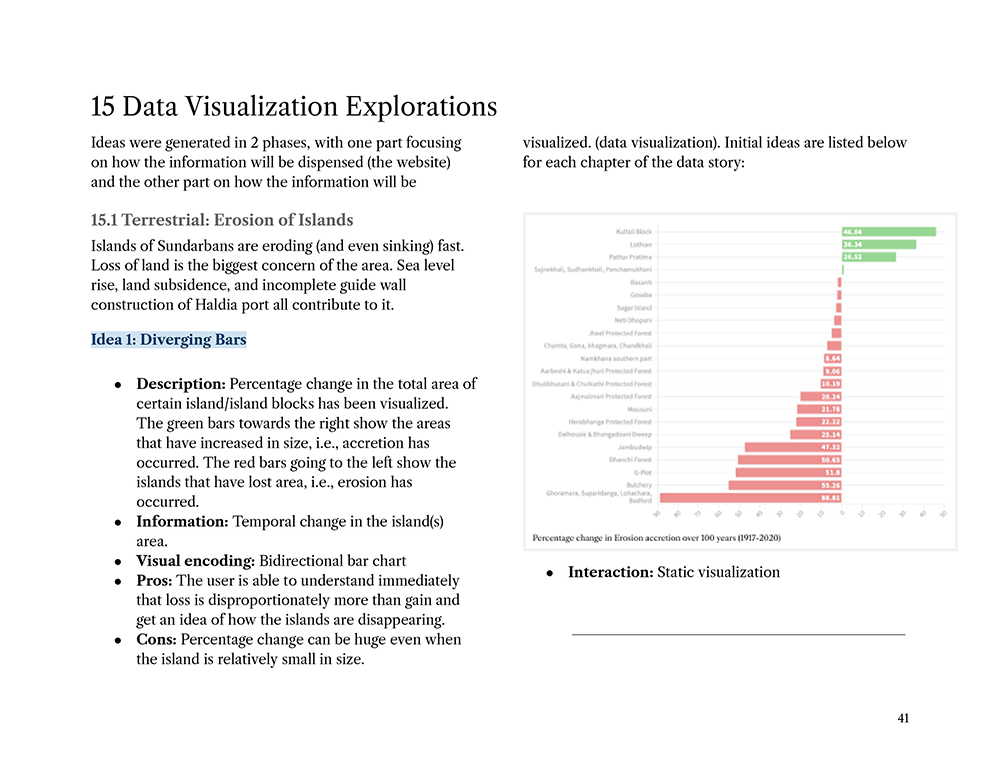
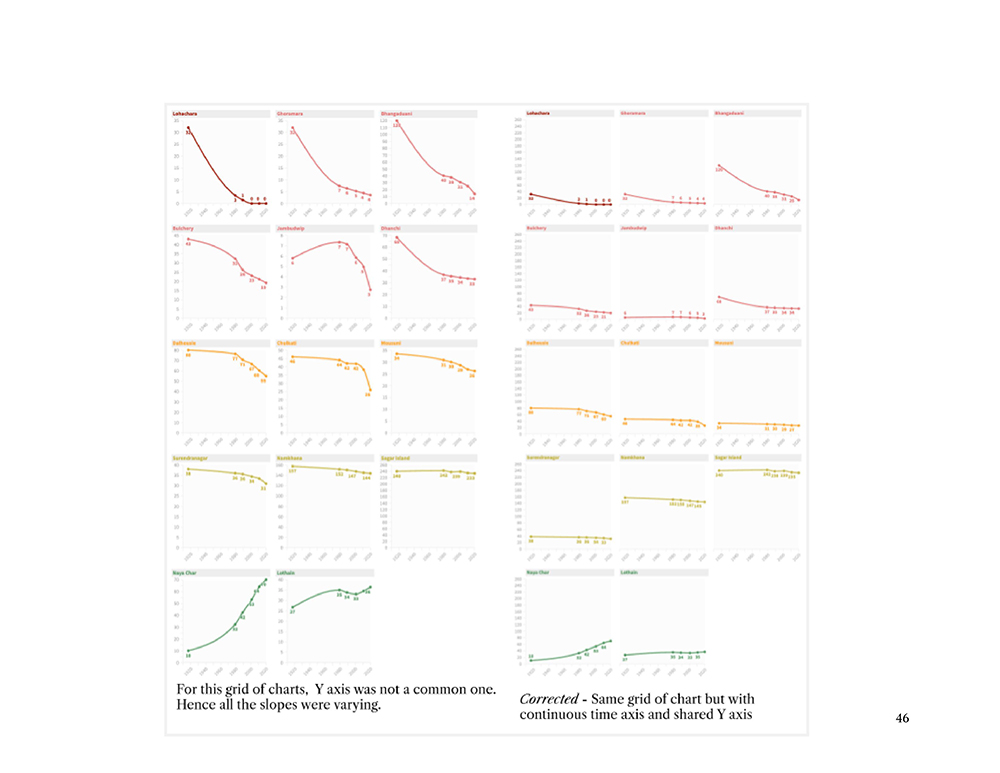
- Terrestrial: Erosion of Islands
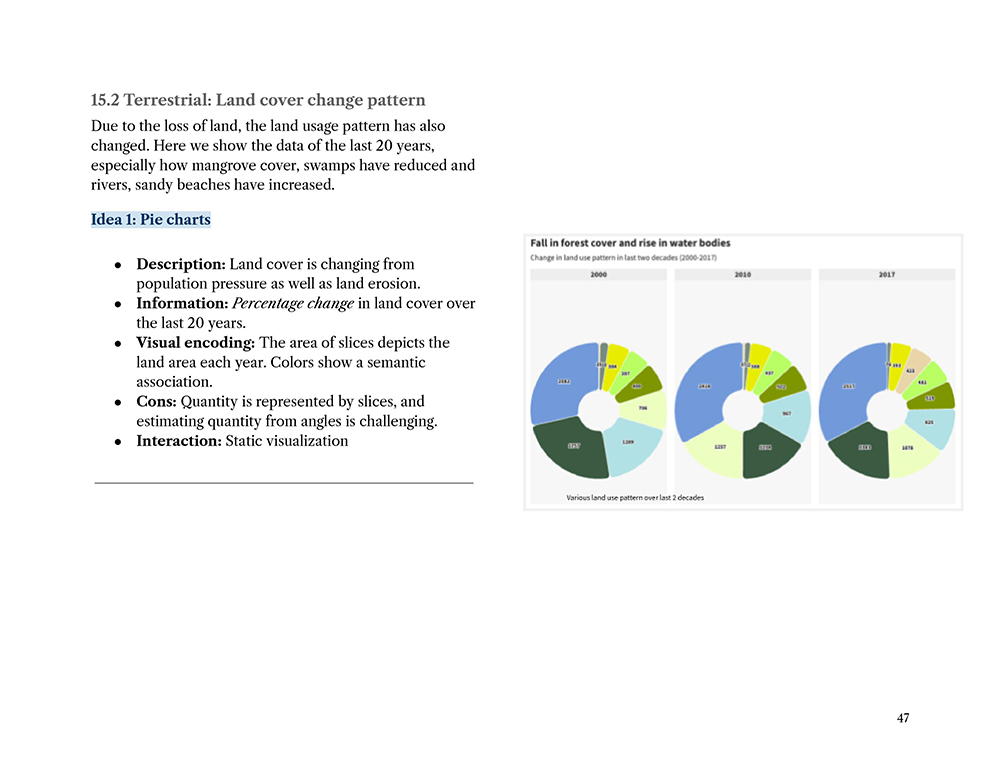
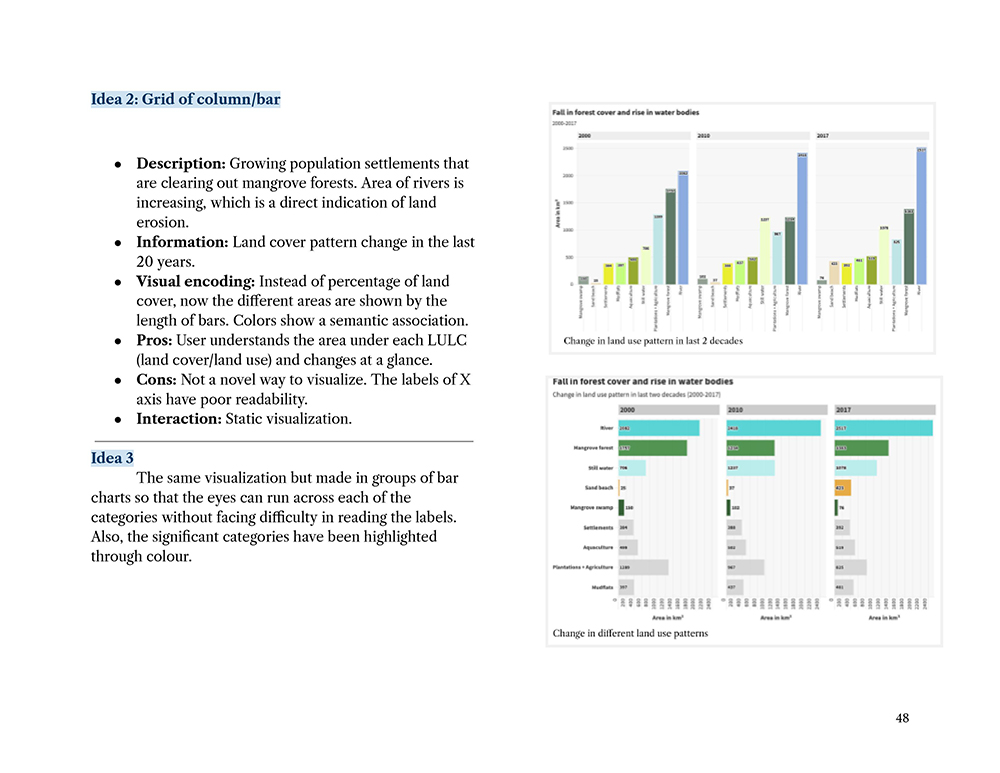
- Terrestrial: Land cover change pattern
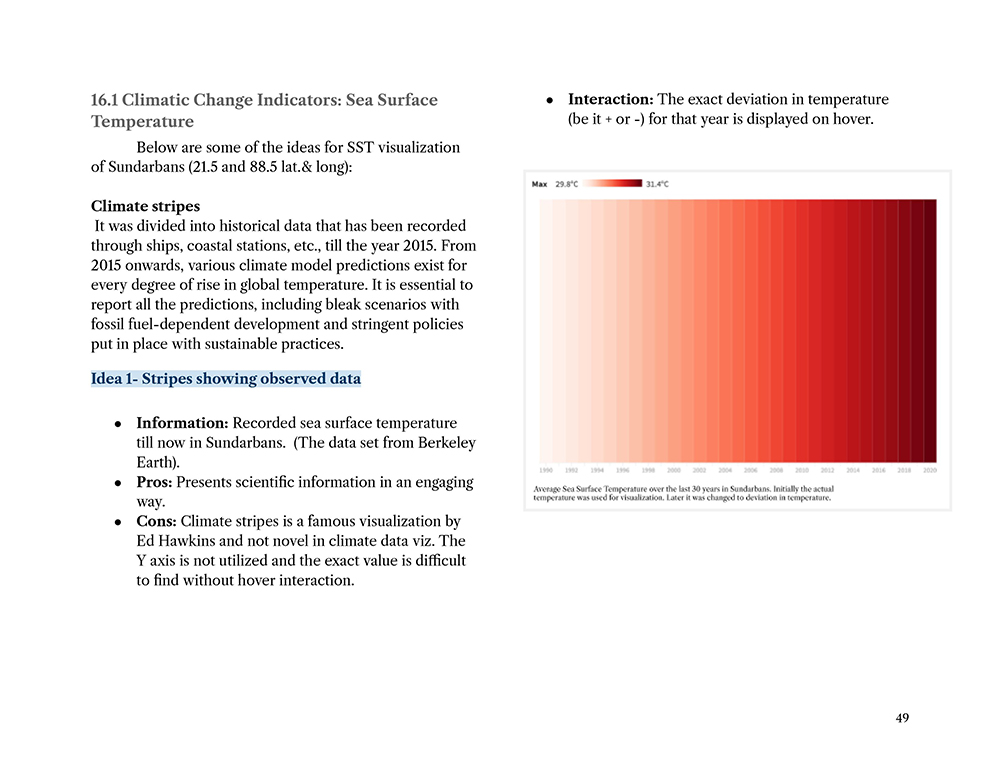
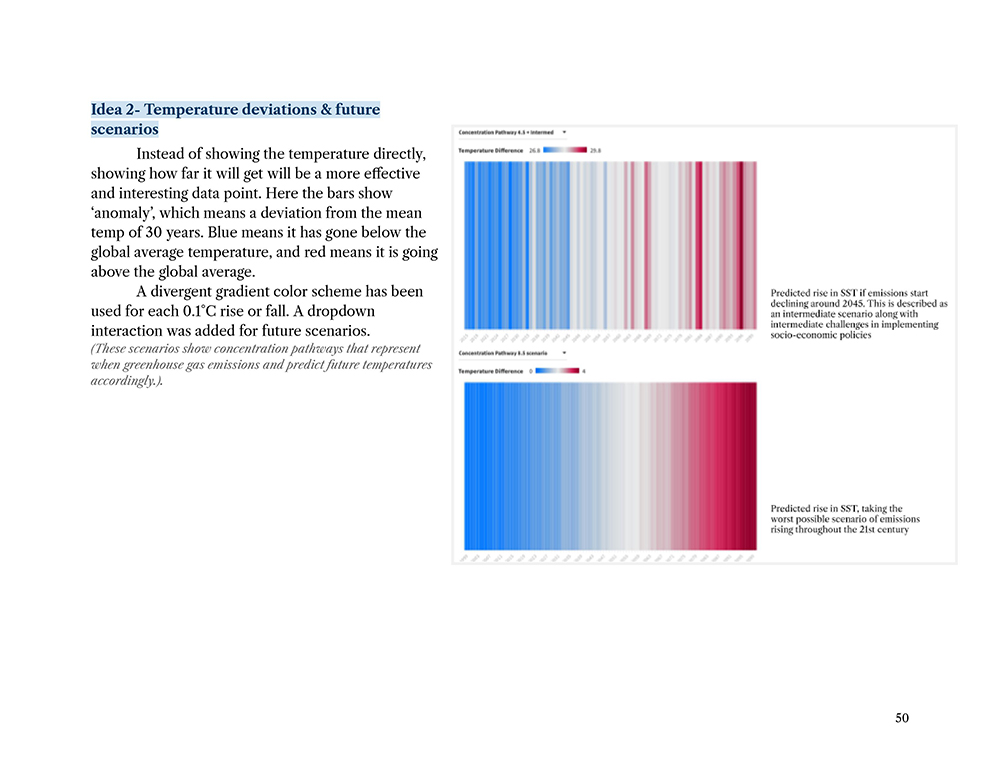
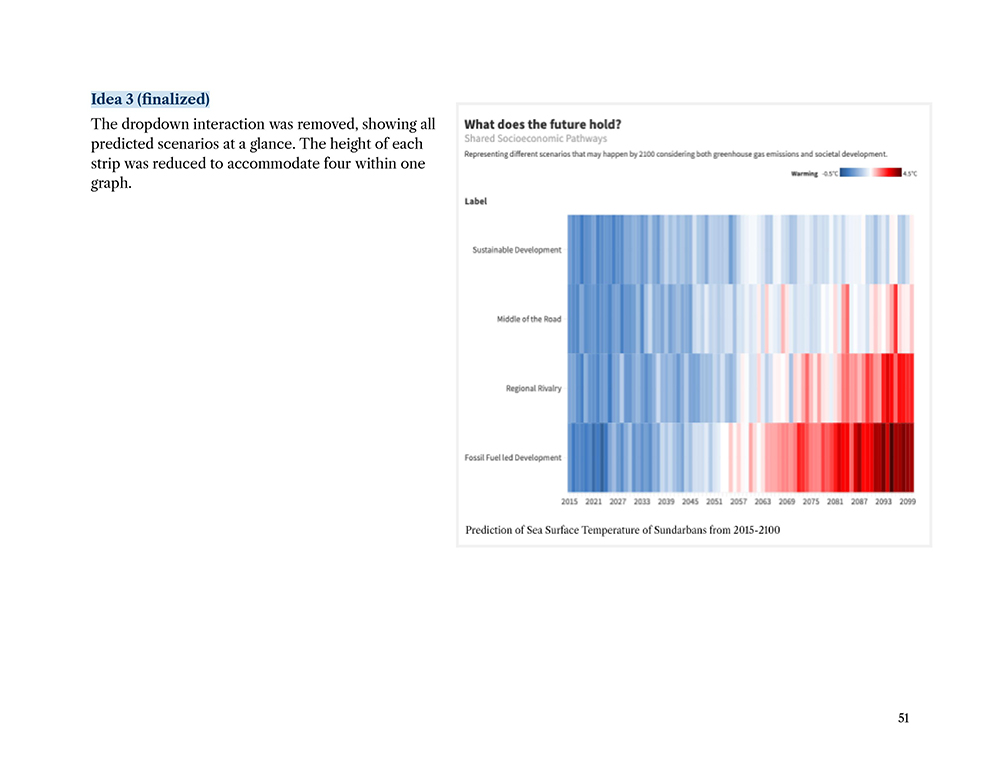
- Sea Surface Temperature
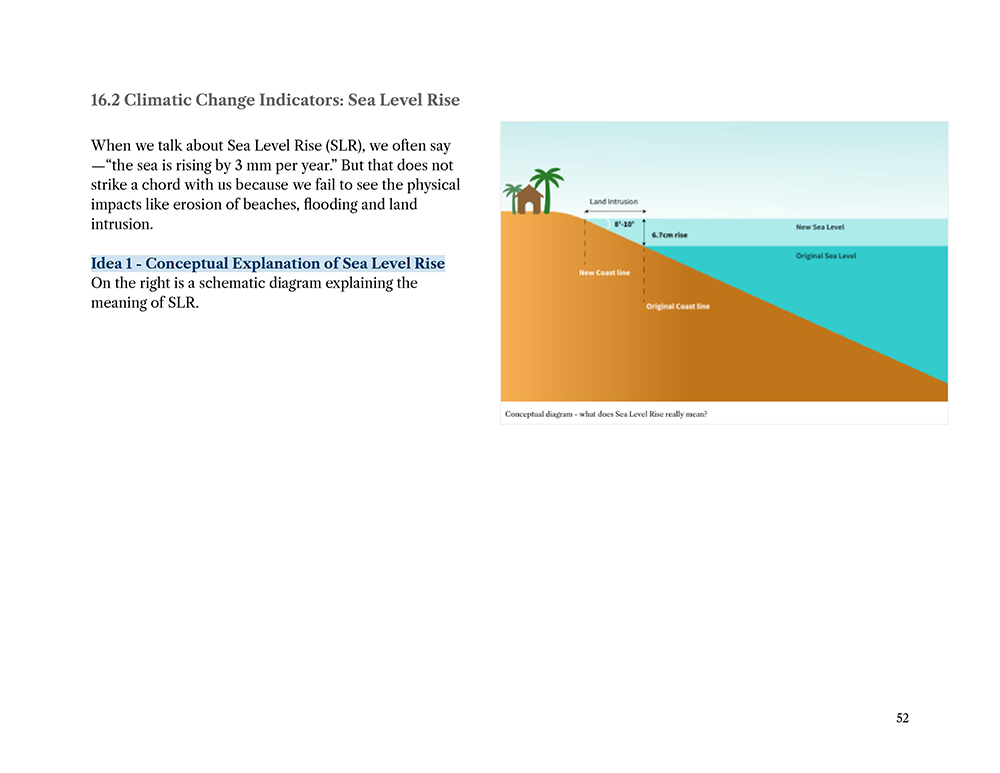
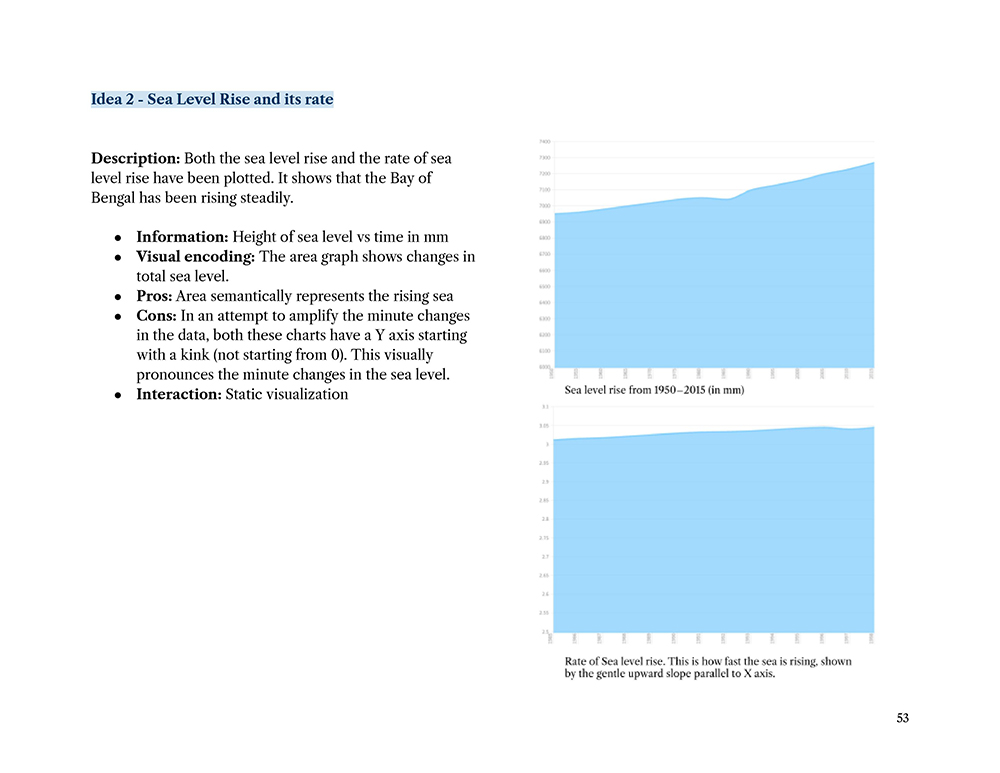
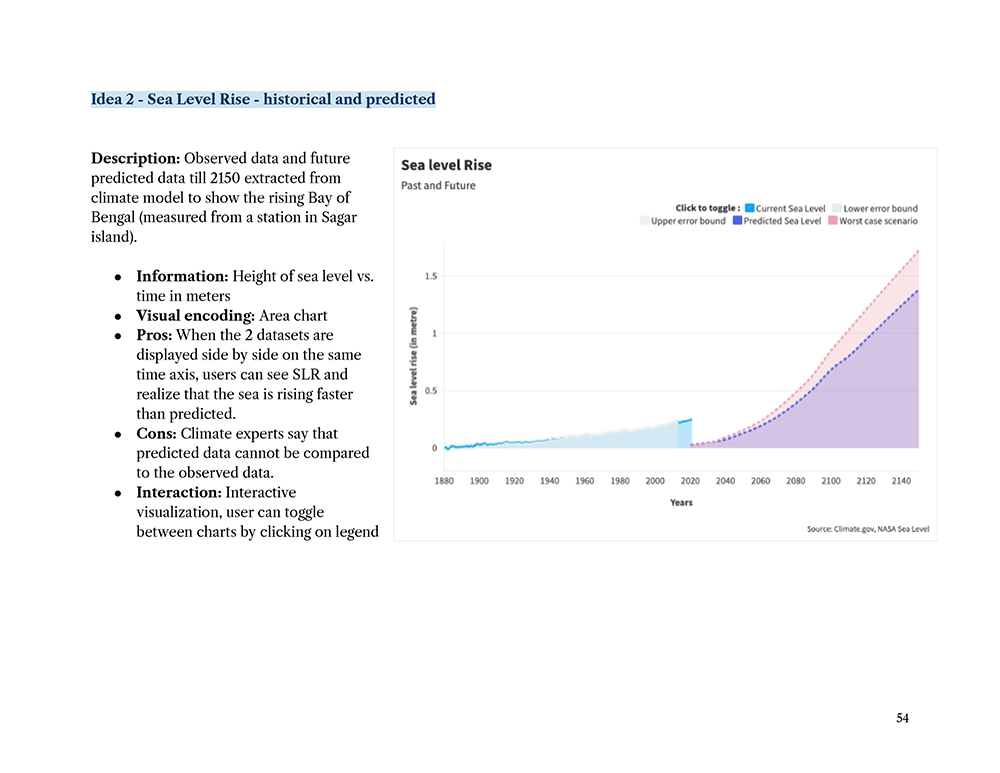
- Sea Level Rise
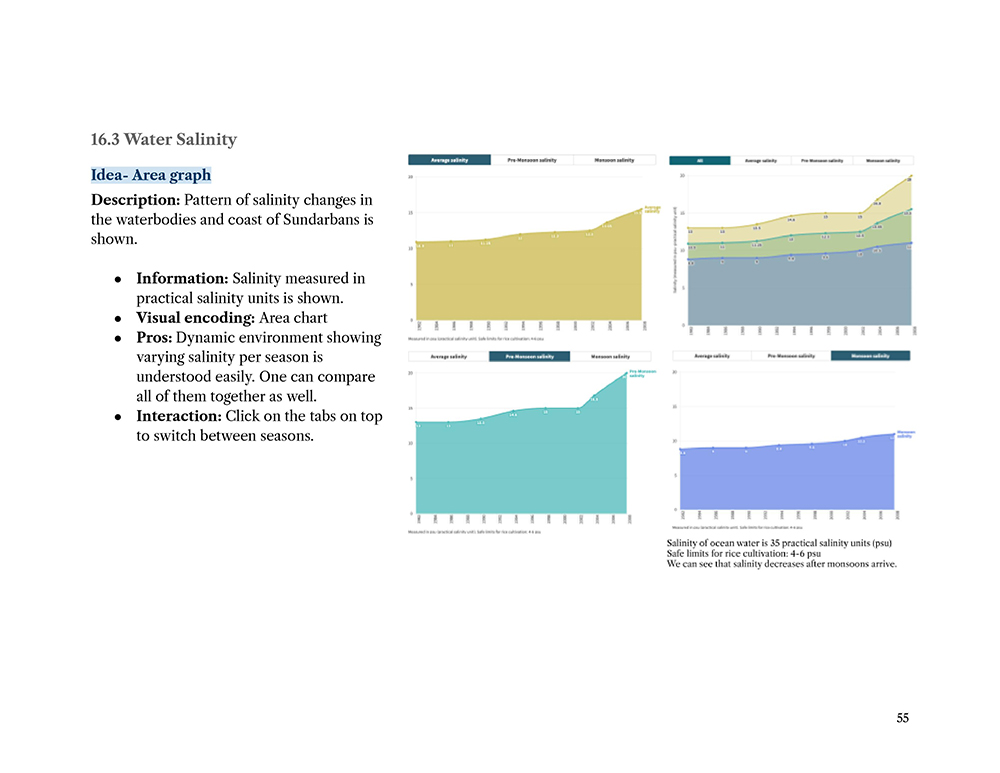
- Water Salinity
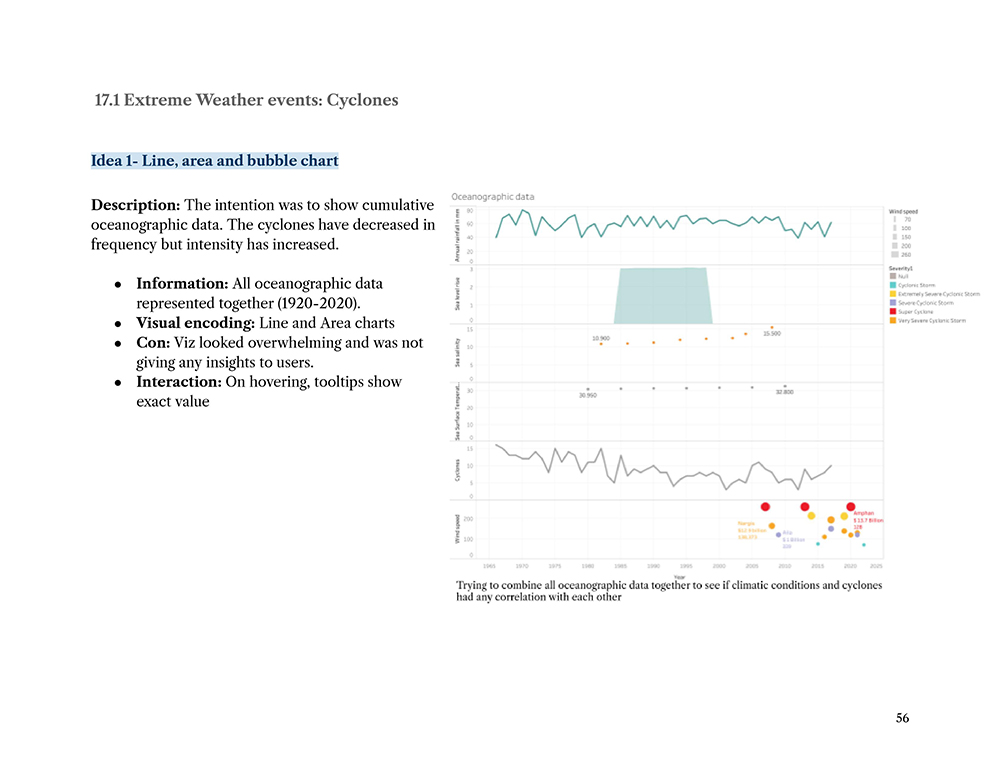
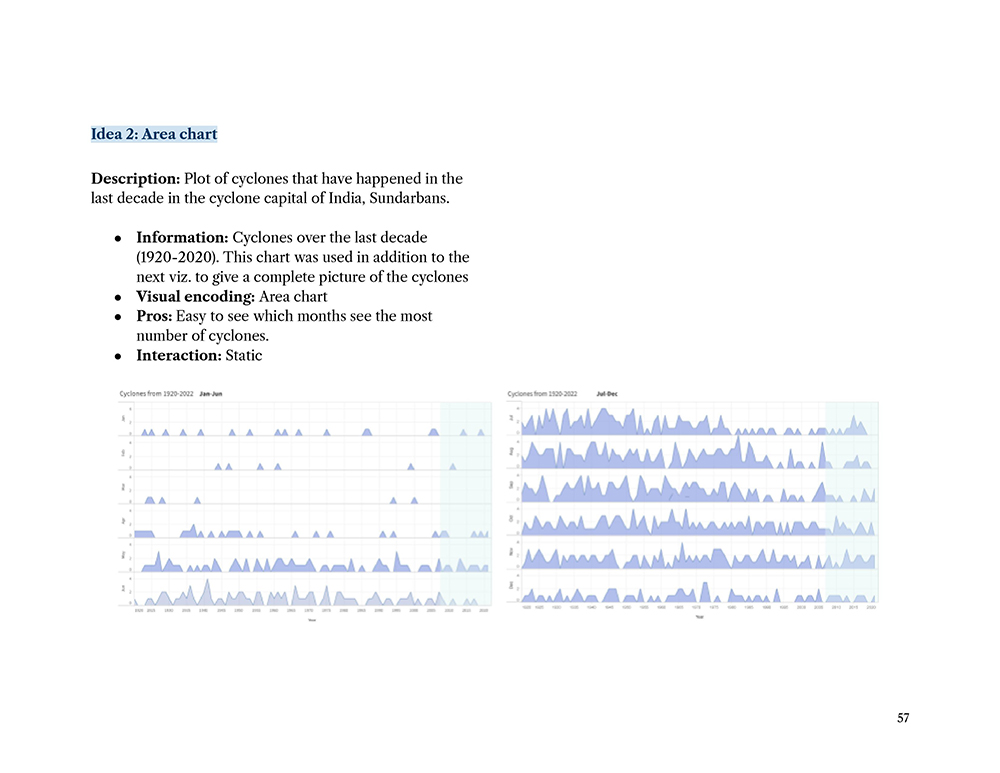
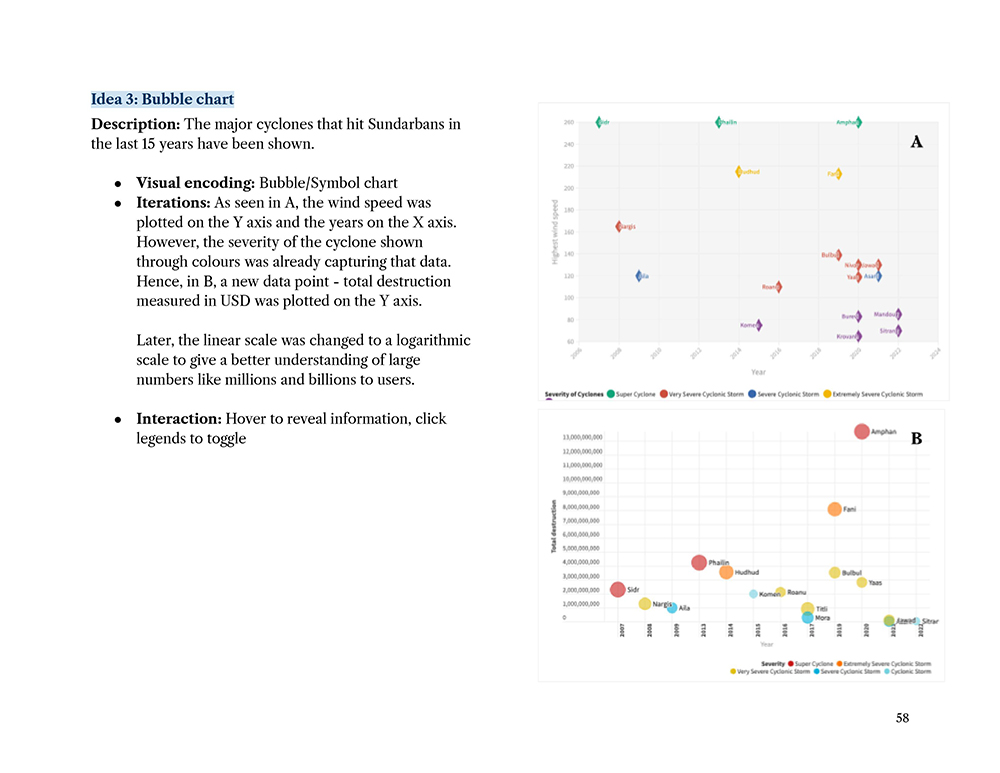
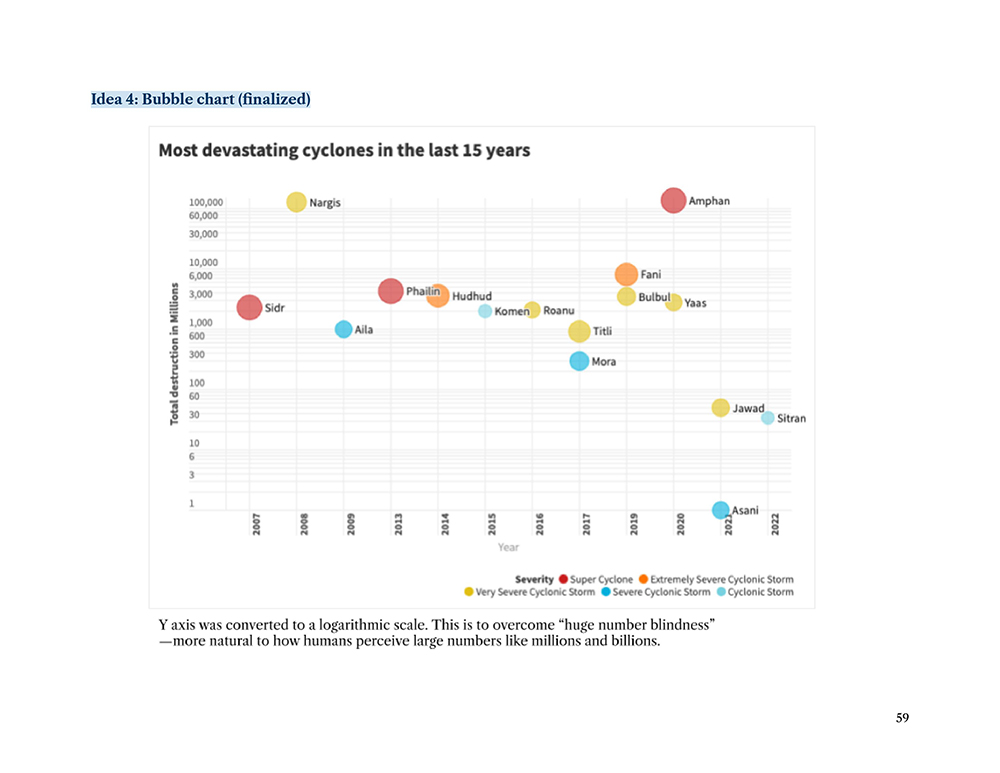
- Extreme Weather events: Cyclones
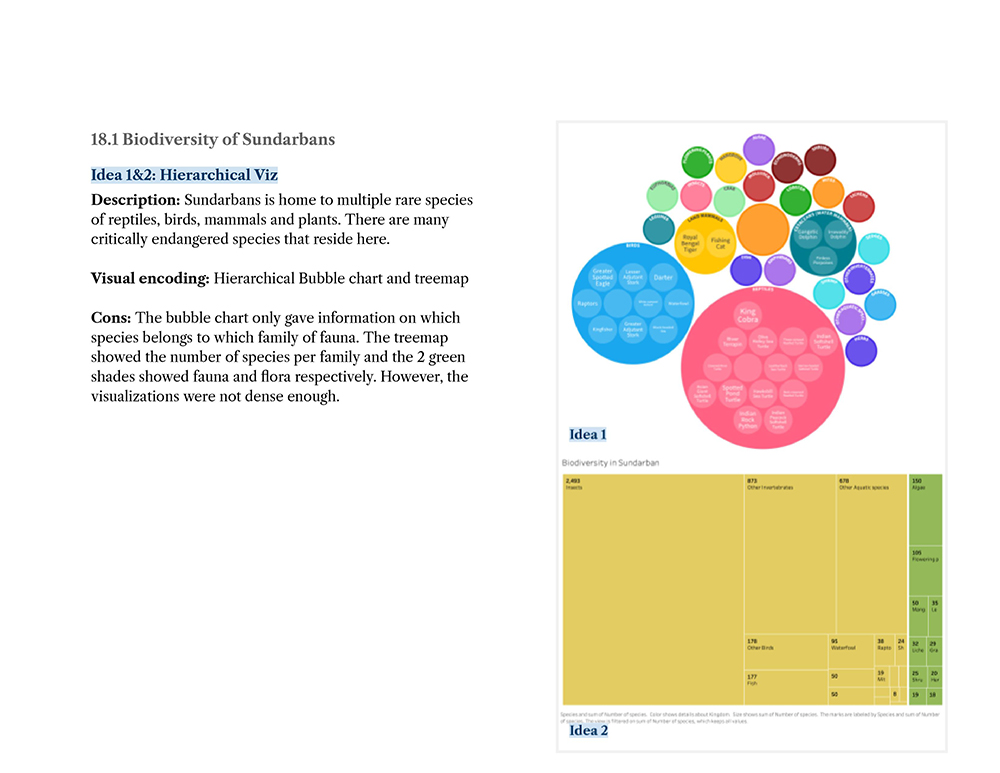
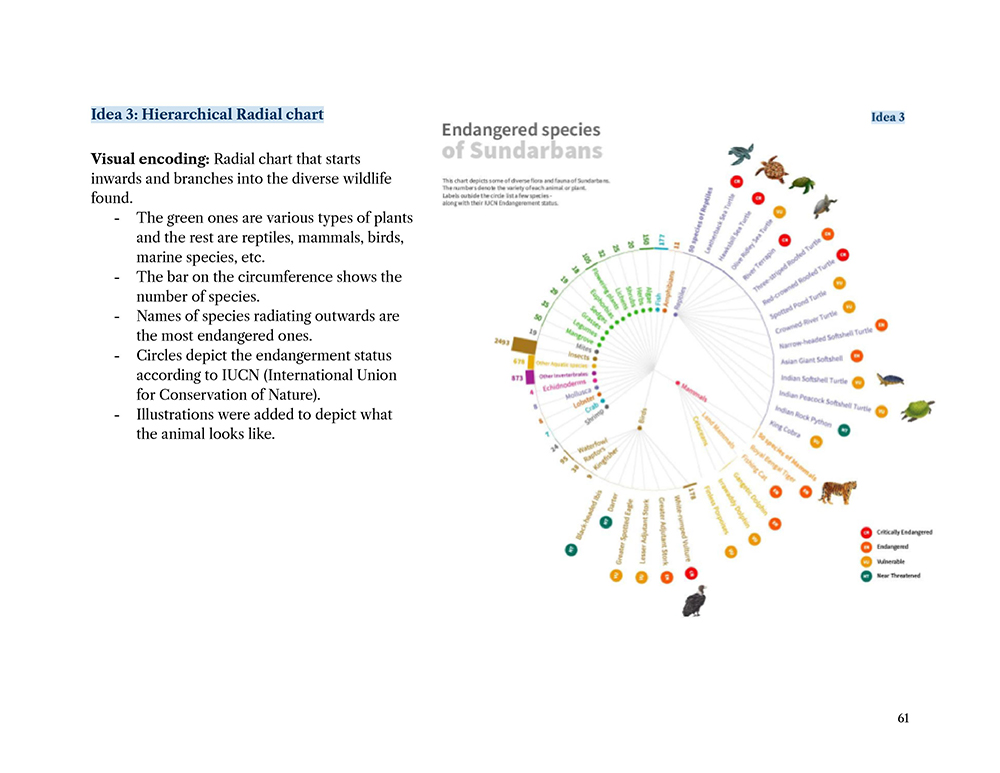
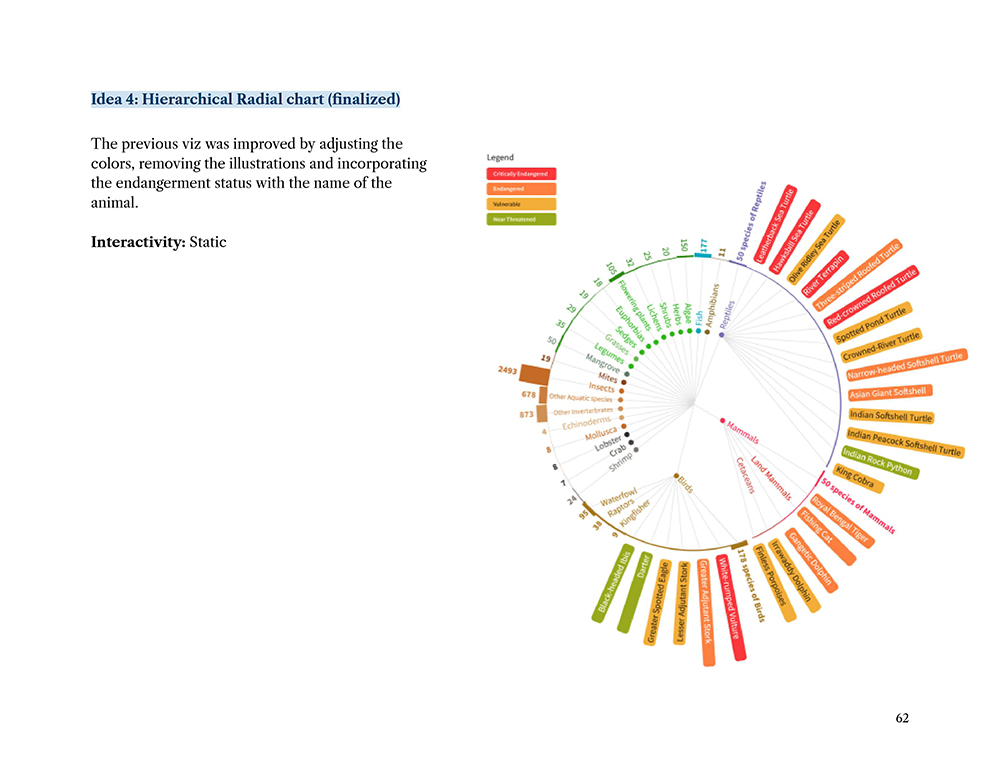
- Biodiversity of Sundarbans
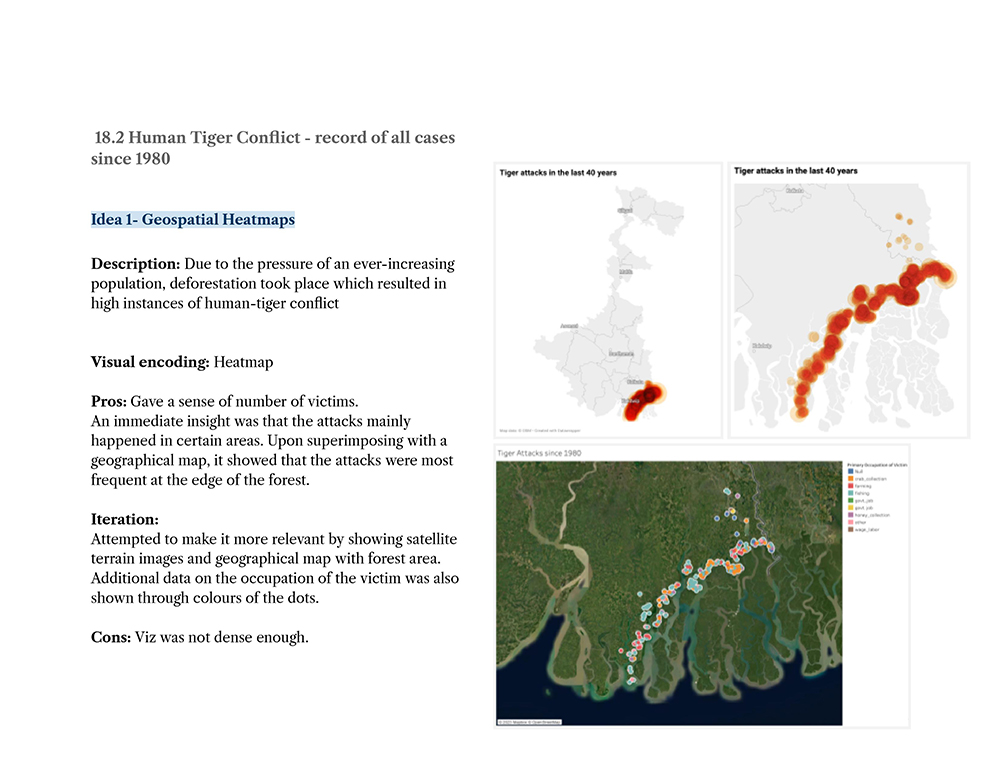
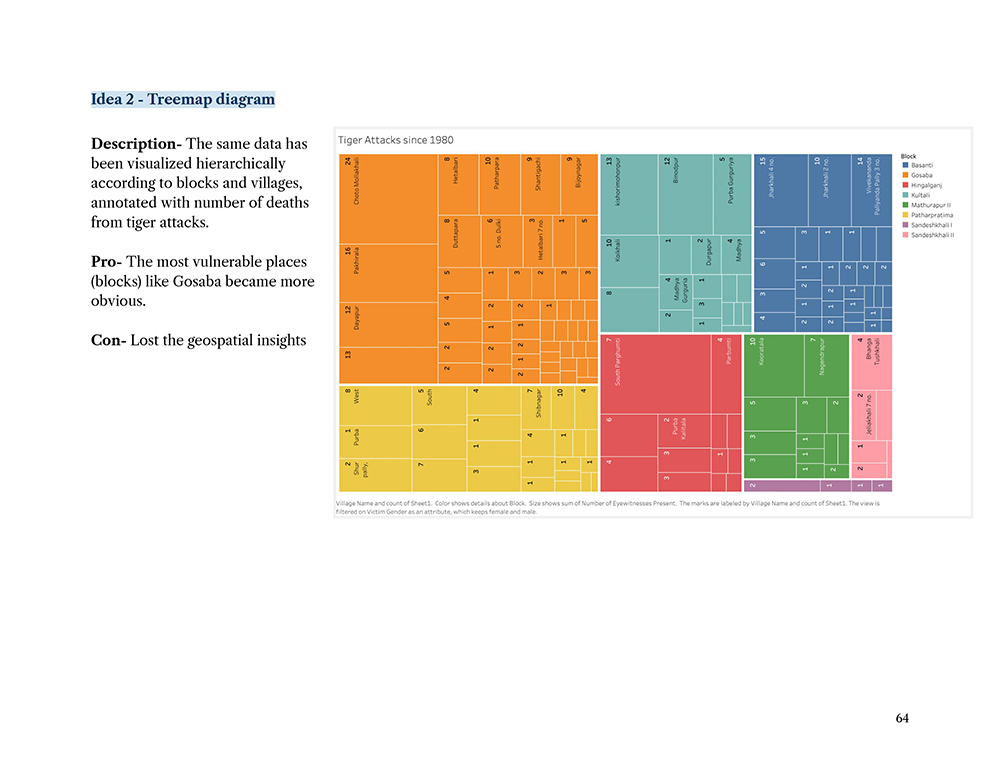
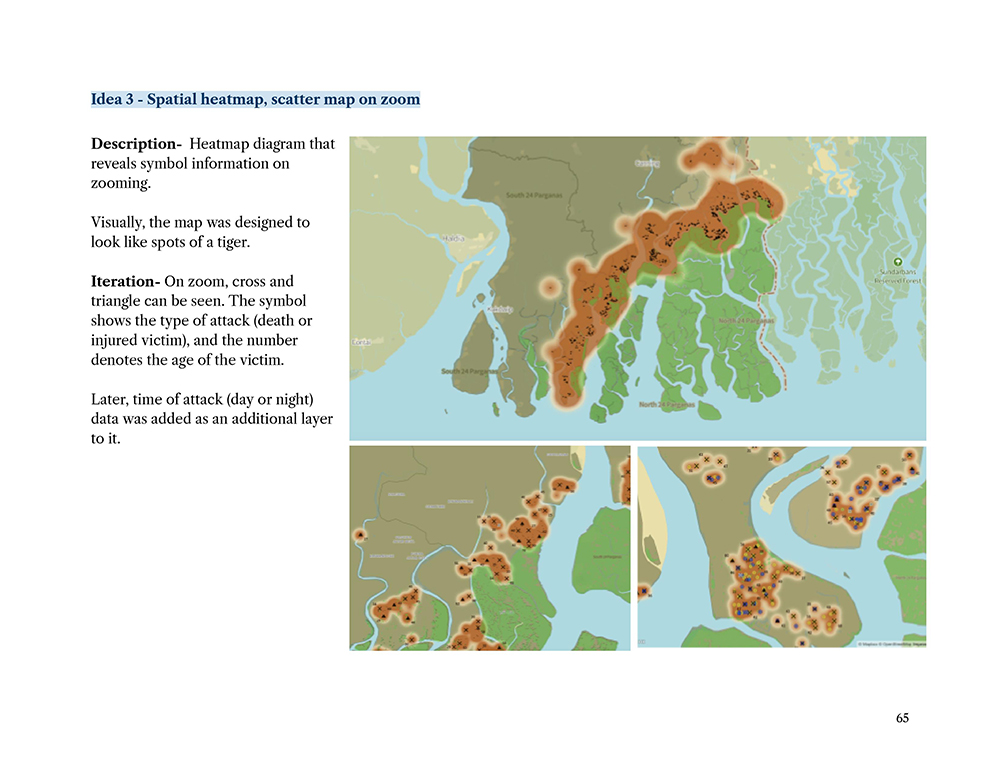
- Human Tiger Conflict
- Social issues- High population density
- Social issues- Migration
- Low Literacy, Poverty and Landlessness
• Final Design Output
• Evaluation Steps
- Evaluation Plan
- Results
• Discussion
• Conclusion
• References
• Annexure
Case Study Download:
• Visualizing Ecological Change in the Indian Sundarbans......