Jump to navigation

  •  
  •  
  •  

  • Courses
  • Resources
  • Case study
  • Showcase
  • Tools
  • Gallery
  • Videos

Search form

Search

    unblocked games retro bowl
  • yohoho
  • unblocked games

unblocked games-

unblocked games-

unblocked games-

unblocked games-

unblocked games-

unblocked games-

unblocked games-

unblocked games-

unblocked games-

unblocked games-

unblocked games-

unblocked games-

unblocked games-

unblocked games-

unblocked games-

unblocked games-

unblocked games-

unblocked games-

unblocked games-

unblocked games-

unblocked games-

unblocked games-

unblocked games-

unblocked games-

unblocked games-

unblocked games-

unblocked games-

unblocked games-

unblocked games-

unblocked games-

unblocked games-

unblocked games-

unblocked games-

unblocked games-

unblocked games-

unblocked games-

unblocked games-

unblocked games-

unblocked games-

unblocked games-

unblocked games-

unblocked games-

unblocked games-

unblocked games-

unblocked games-

unblocked games-

unblocked games-

unblocked games-

unblocked games-

unblocked games-

Animation Design Communication Design Design Fundamentals Interaction Design Product Design Tools for Design Open Design
Home / Case study / Furniture Design with Banana Stem Fibers / Introduction
Design Case study

Furniture Design with Banana Stem Fibers

Natural fiber crafts
by
Infant Bibin I and Prof B K Chakravarthy
IDC, IIT Bombay
Introduction
 
  • Printer-friendly version

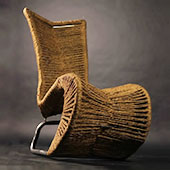
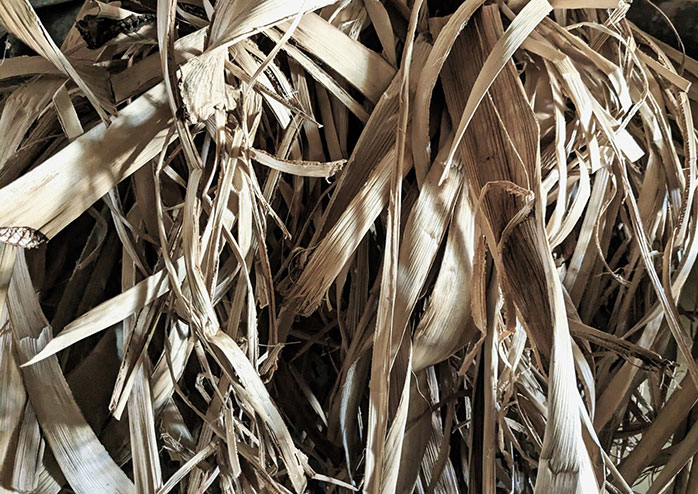
Banana is one of the most important fruit crops grown in India. After the harvest of fruits, huge quantity of waste biomass from Pseudo stem, burnt or left in situ causing detrimental impact on environment. This thesis presents a comprehensive exploration of product design for a furniture range made by utilising leftover banana stems as the primary raw material and primarily focuses on environmental sustainability and empowering rural women and promoting through the utilization of banana fiber, while also delving into craft and form exploration.

The research begins with an analysis of the social and environmental context, highlighting the impact of banana fiber made for a small group of rural women at Melakkal village. This model can be used throughout India’s banana-growing regions, and it also highlights the need for sustainable alternatives in the furniture sector.

To ensure the viability and marketability of the designs, the report emphasizes material-specific testing. Mockups are created to evaluate the structural integrity, load-bearing capacity, and overall comfort of the furniture. To bring the final designs to life, prototypes were developed in collaboration with industrial manufacturing partners. Different treatment methods such as boiling and dyeing are explored to enhance the durability, color options, and customization potential of the banana fiber ropes.

In conclusion, this report presents a holistic approach to product design for a furniture range made with banana fiber ropes. The integration of craft and form exploration, material-specific testing, and empowerment of rural women contributes to the overall sustainability and social impact of the project.

Case Study Download:
• Furniture Design with Banana Stem Fibers......


  • Introduction
  • Case Study - Slide Show
  • Links
  • Contact Details
  • Credits

Creating Digital-learning Environment for Design


  • Courses
  • Resources
  • Case study
  • Showcase
  • Tools
  • Gallery
  • Videos
  • Animation Design
  • Communication Design
  • Design Fundamentals
  • Interaction Design
  • Product Design
  • Tools for Design
  • Open Design
  • Contribute to our Dsource
  • About
  • People
  • Events
  • Job@D'source
  • Contact Us
  • Privacy Policy
  • Download App
  • YouTube
  • Facebook
  • Twitter

Indian Language
English Bangali Gujarati Hindi
Kannada Malayalam Marathi Punjabi
Sindhi Tamil Telugu Urdu