Design Case study
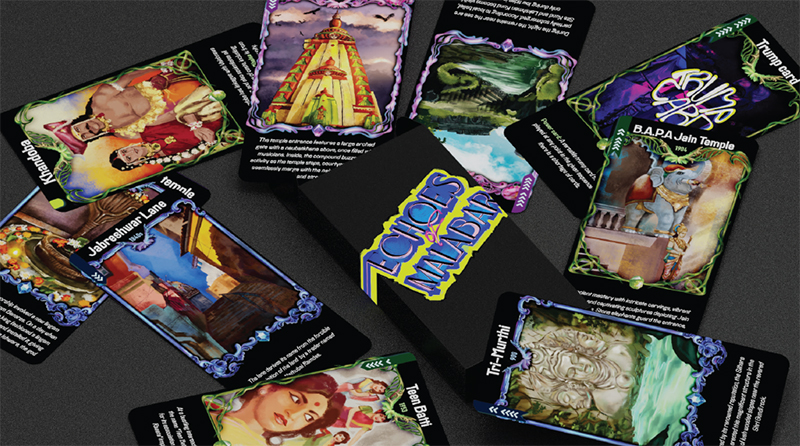
Echoes of Malabar
Exploring the cultural legacy of Mumbai’s iconic Malabar Hill through a story-driven game
by

Introduction

Urban planning is a complicated, comprehensive process that necessitates a thorough grasp of a space’s ecology, history, and cultural importance. The precise integration of these factors is required to define not just a region’s physical environment but also its cultural fabric.
Nestled upon Malabar Hill, the Banganga tank stands as a testament to the intricate interplay between nature’s embrace and the enduring legacy of human heritage. A symbol of historical significance predating the city itself, this venerable landmark whispers tales of a bygone era. The serene surroundings of this hallowed sanctuary, however, is on the verge of extinction as irrational concrete surges out, indifferent to the delicate web constructed within the ecology. A link, an unseen tie, exists under the surface between the reclamation effort and the natural spring that gives life to this holy ground. A delicate equilibrium teeters on the brink of collapse as waters pour down the shore, replenishing the Banganga tank. The natural spring’s voice may soon be muffled, as its flow is obstructed by the continuous march of reclamation. The state must recognise and value this delicate balance between a location’s physical and cultural traits, and it must take an integrated approach towards urban development. A long-term and deliberate approach may preserve a place’s past while addressing the needs of a rising population, assuring a brighter future for everybody.
Despite the urban development in cities, there is a progressive elimination of beloved places and the disappearing tales associated with them. This creates a threat for oral histories of people as they are on the verge of extinction due to a lack of good recording and extensive access. One of the possible approaches to this problem can be the development of an instructional game based on real-world locations that are in jeopardy of cultural elimination, which allows the players to explore and interact with these sites that they may otherwise not have physical access to. Such games have the ability to teach players about history, geography, and cultural impact while simultaneously developing their critical thinking, problem-solving, and decision-making abilities. As cities evolve, there is rising worry about the loss of treasured locations and the vanishing tales that go with them. People’s oral histories are under threat of extinction owing to poor recording and limited accessibility. One potential answer to this problem is the creation of instructive games based on real-world areas at risk of cultural degradation. These games provide players a one-ofa-kind opportunity to explore and interact with areas that would otherwise be out of reach. Players who participate in these interactive experiences not only learn about history, geography, and cultural relevance, but they also improve their critical thinking, problem-solving, and decision-making abilities.
Case Study Download:
• Echoes of Malabar_Report......